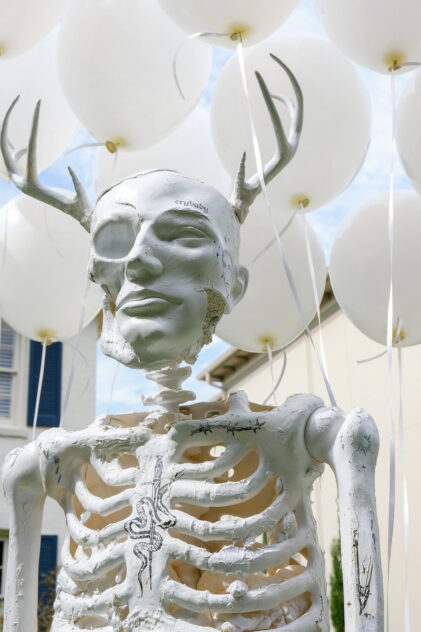
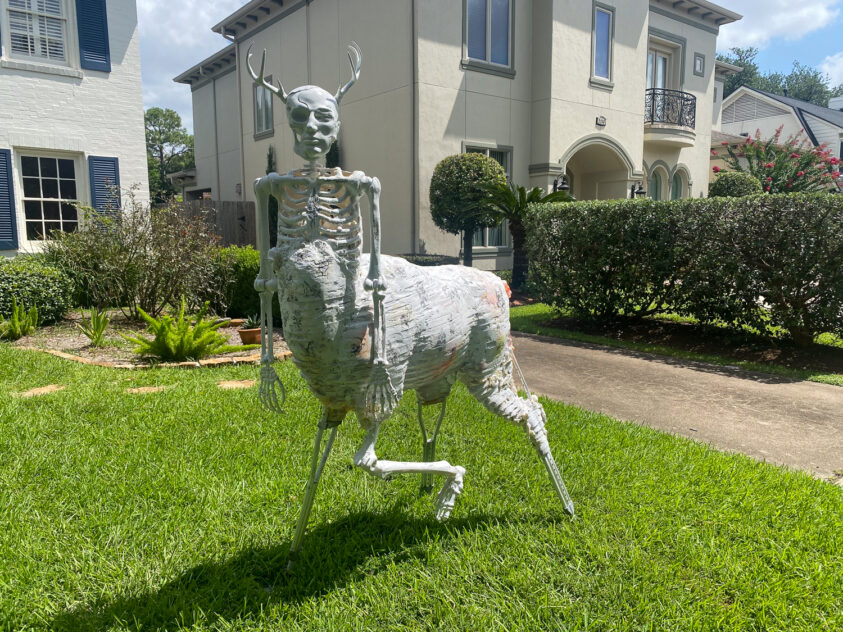
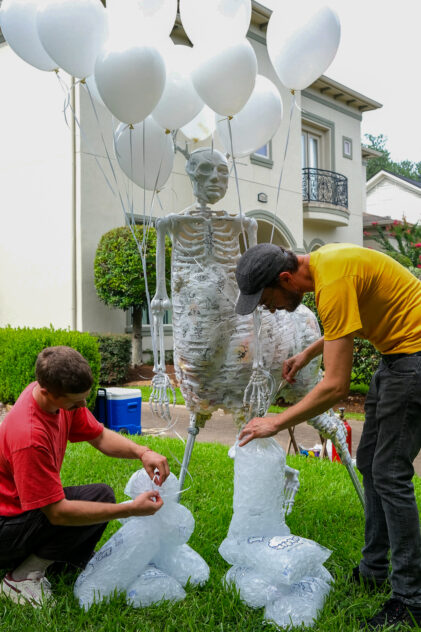
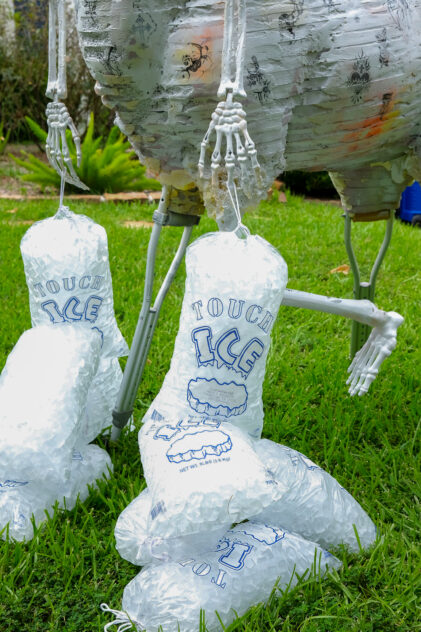
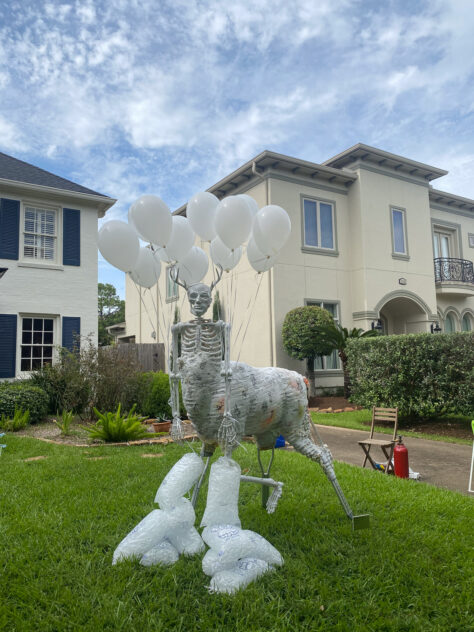
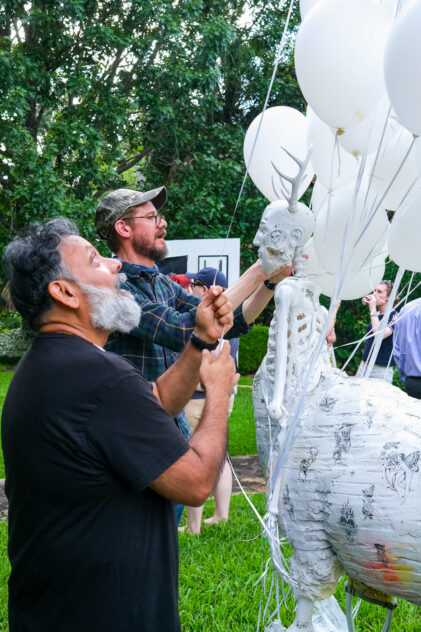
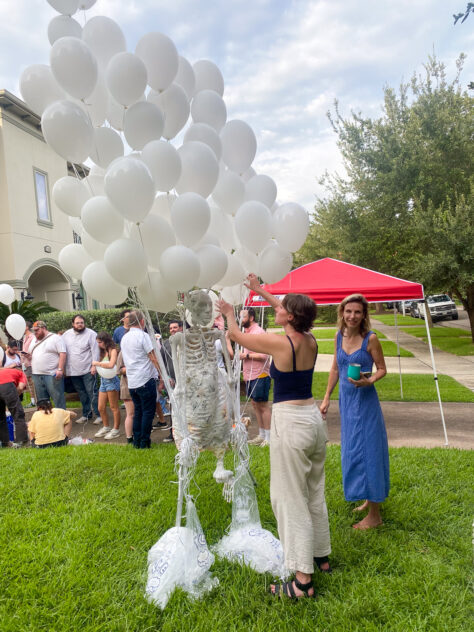
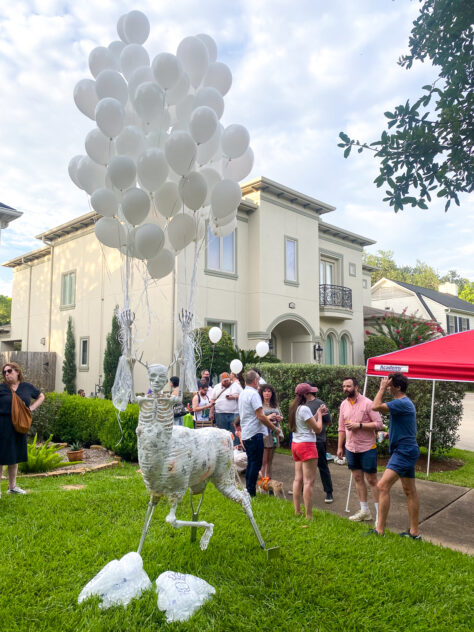
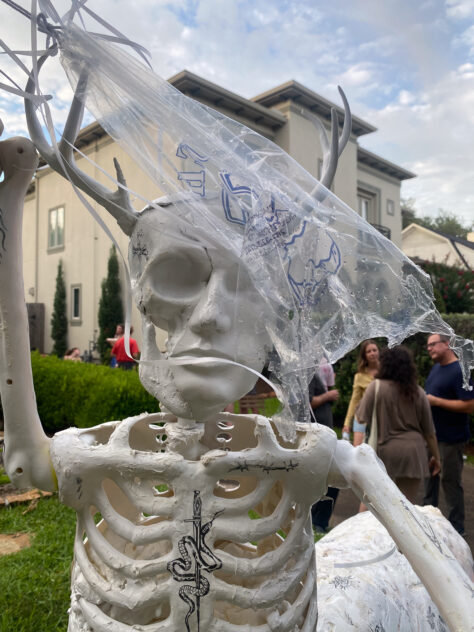
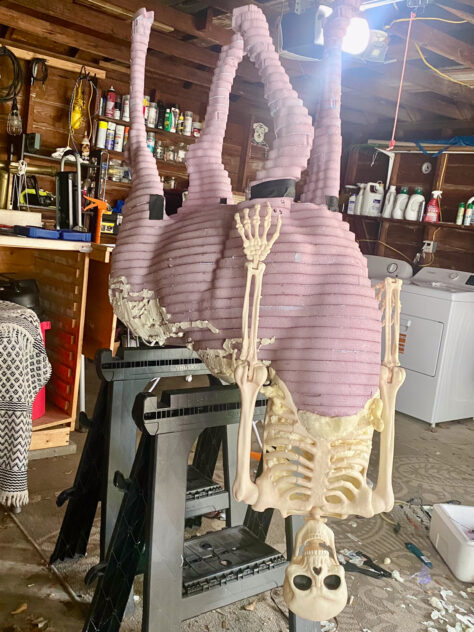
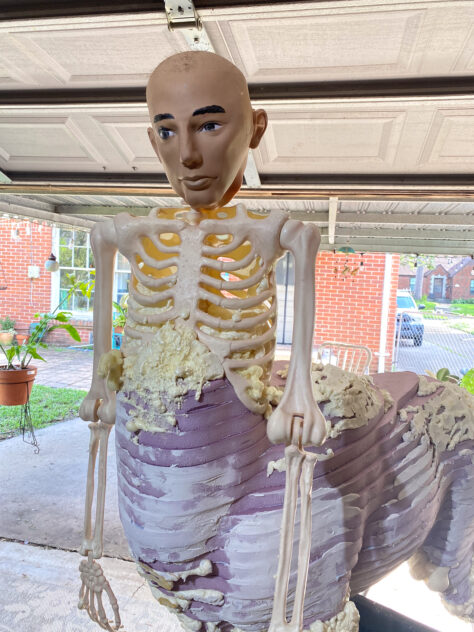
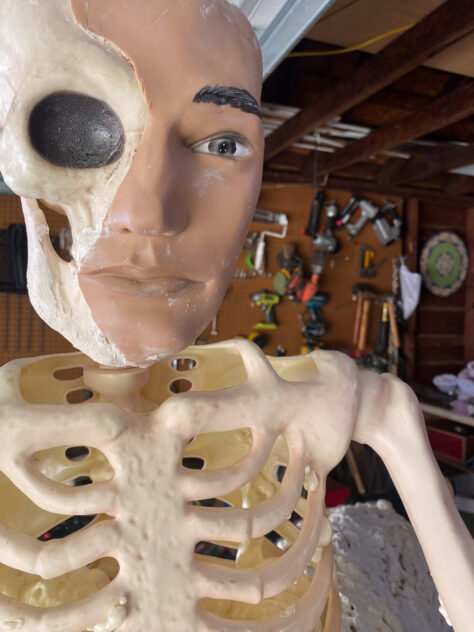
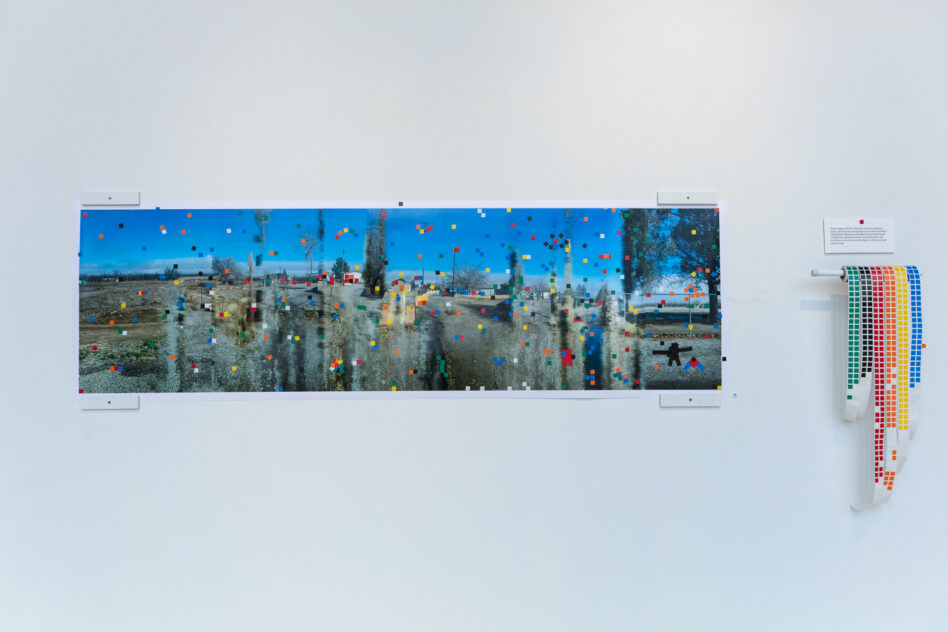
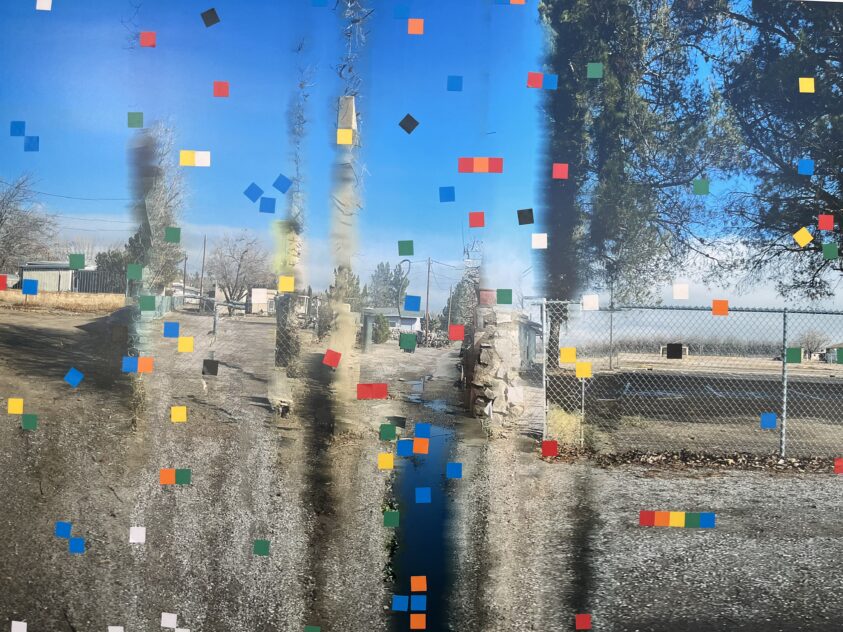
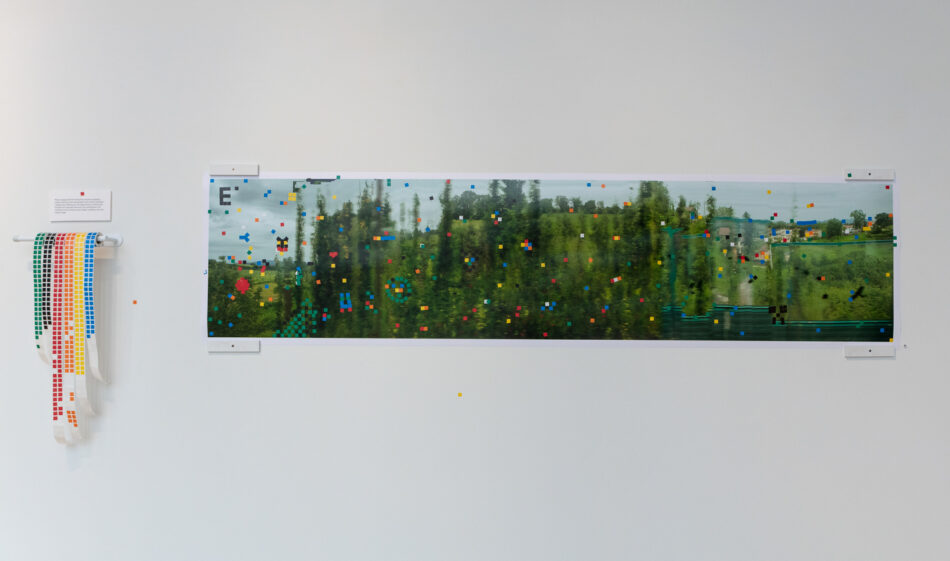
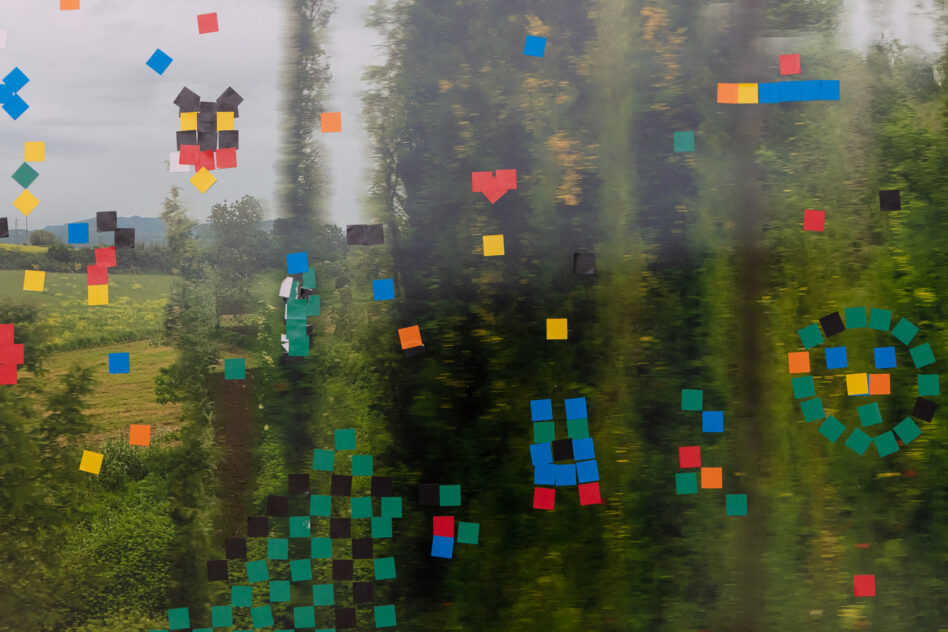
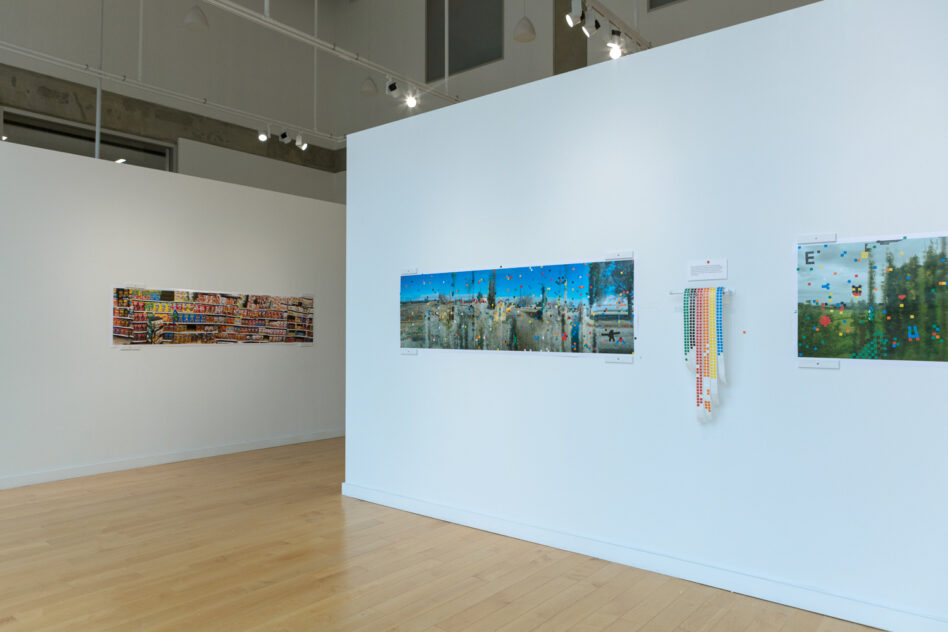
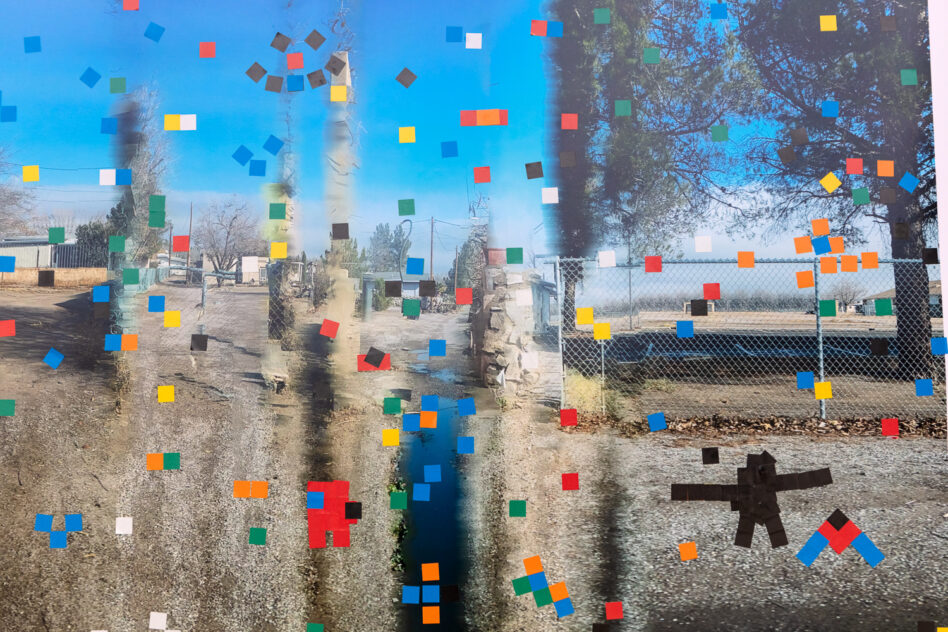
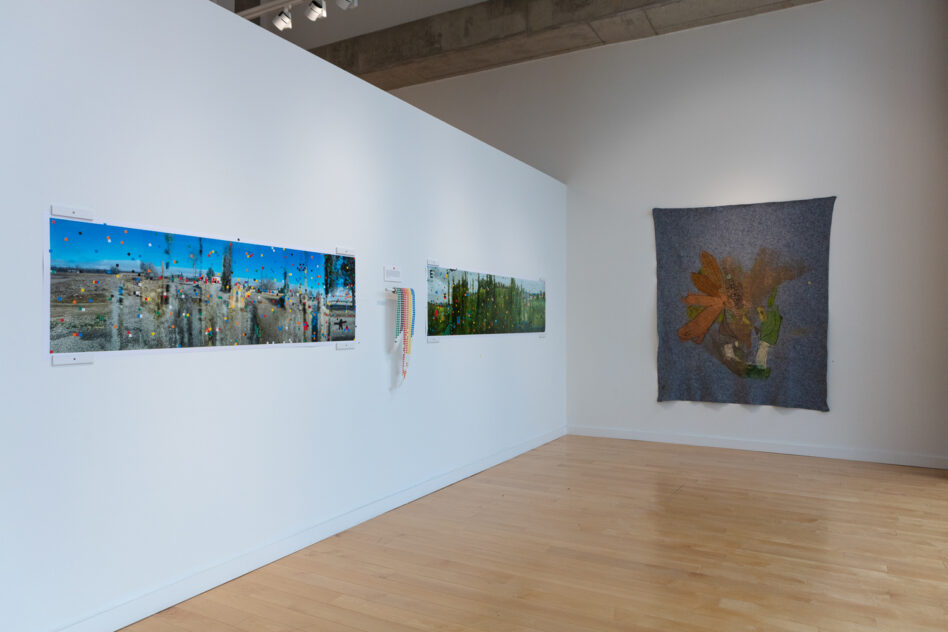
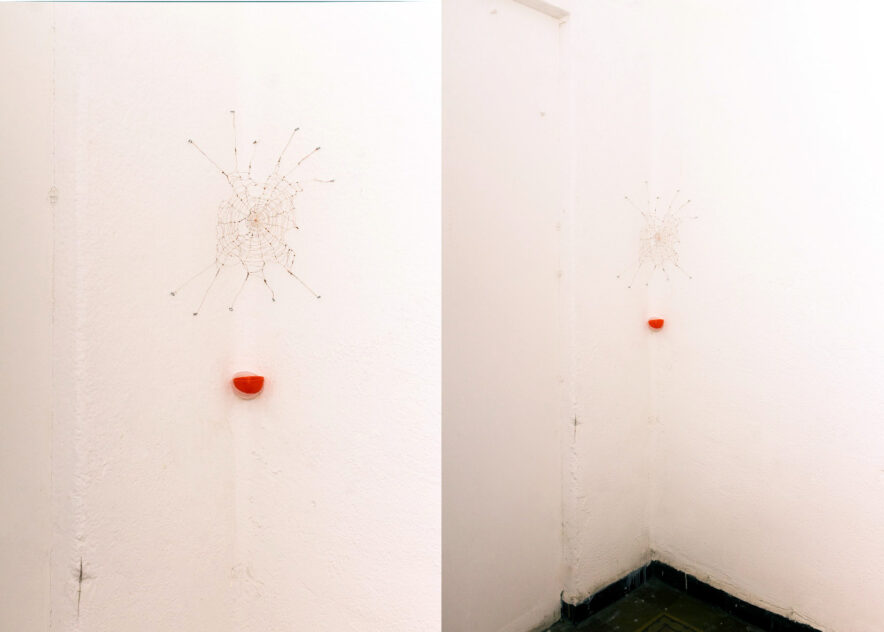
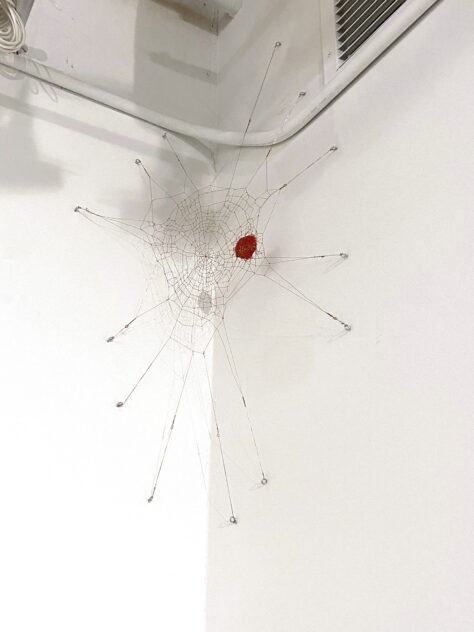
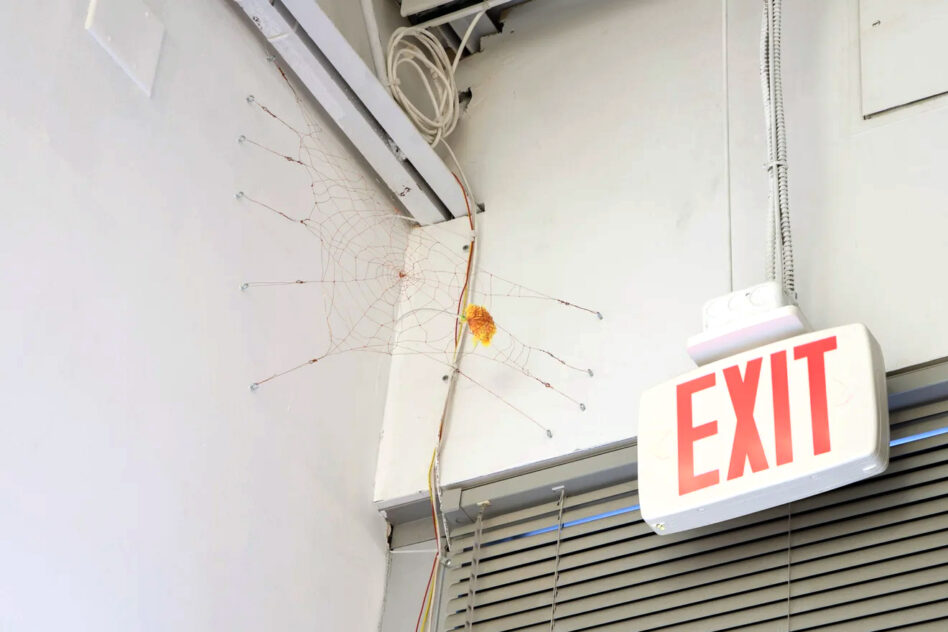
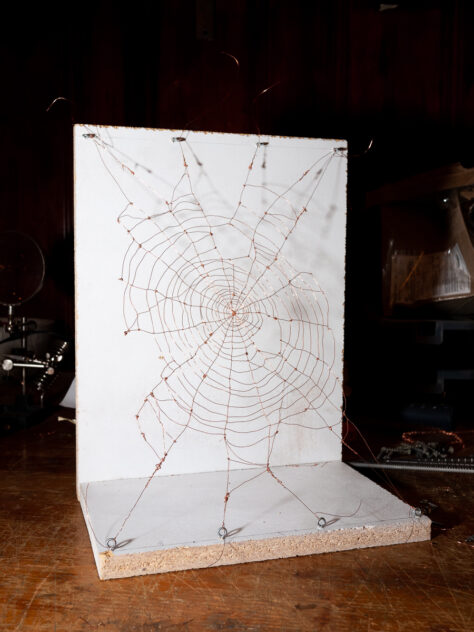
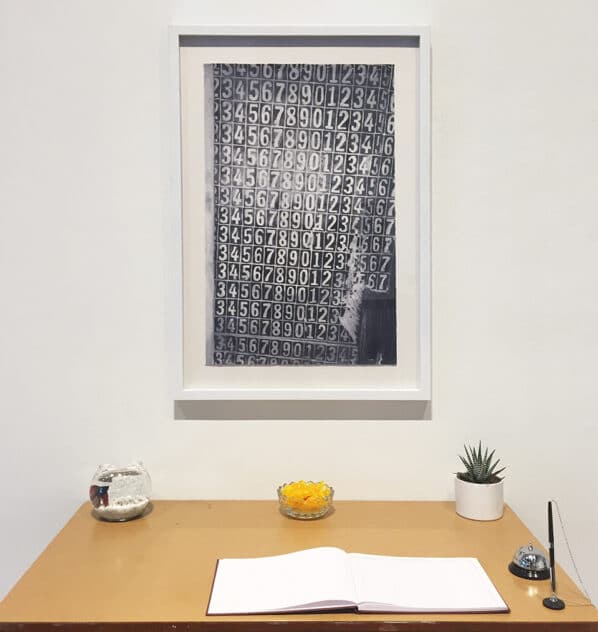
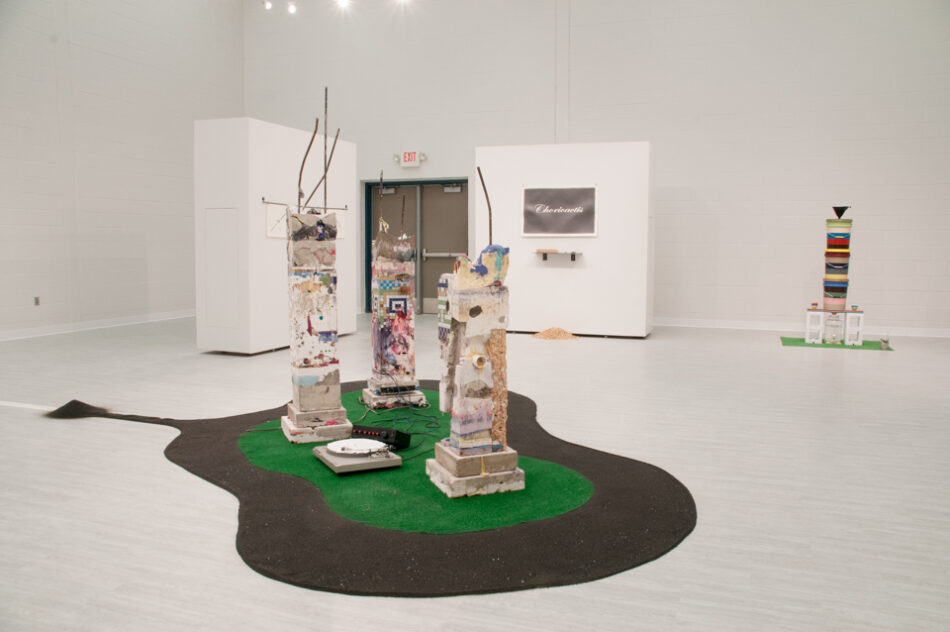
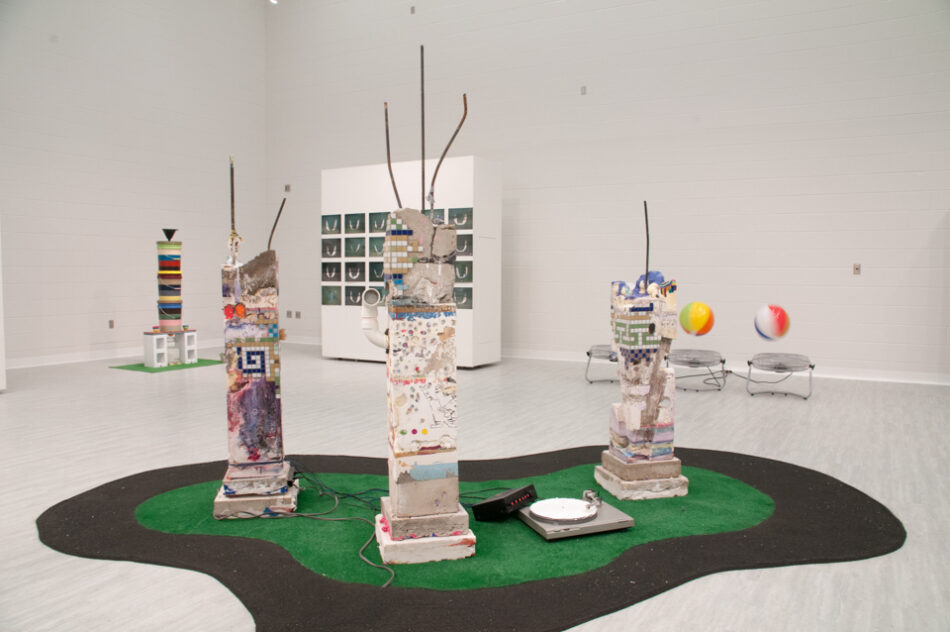
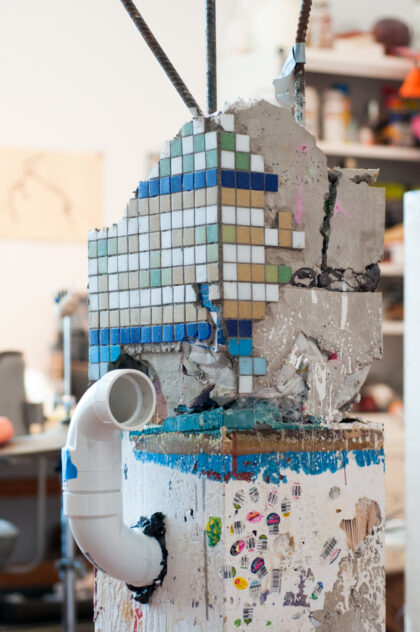
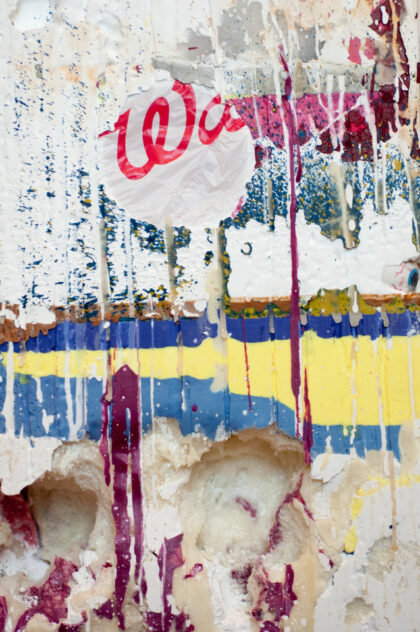
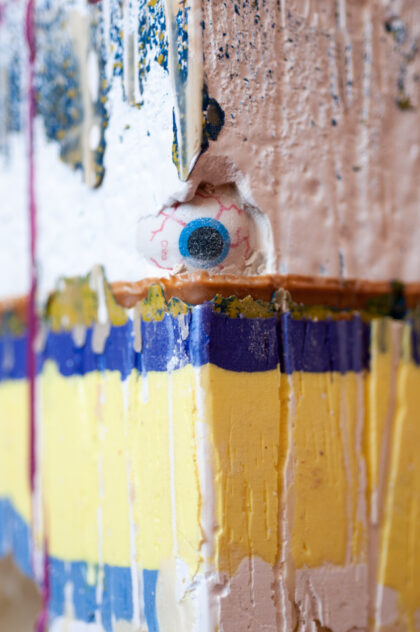
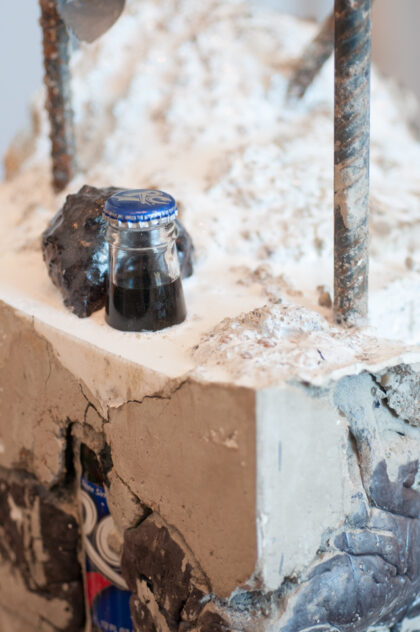
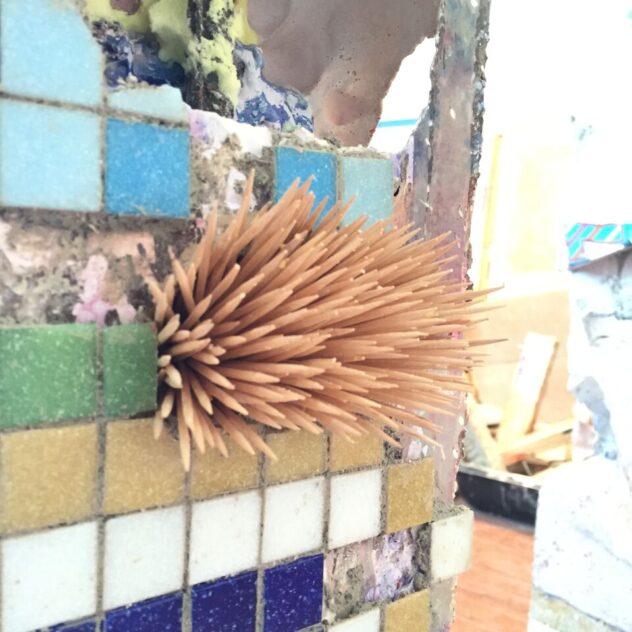
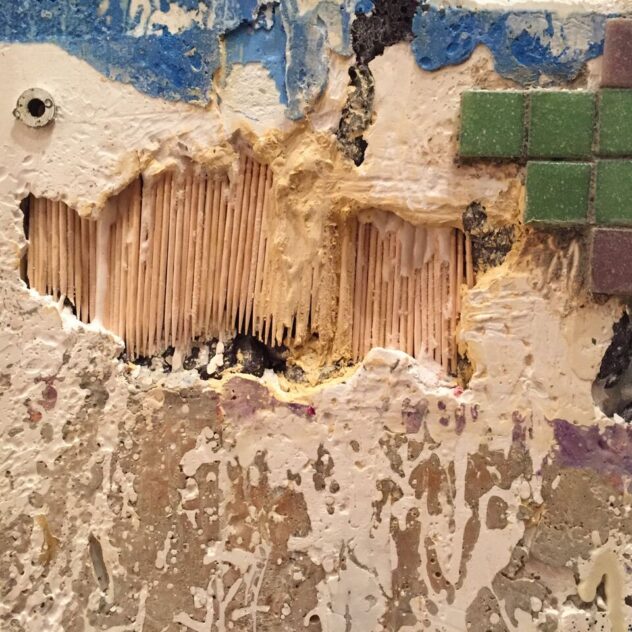
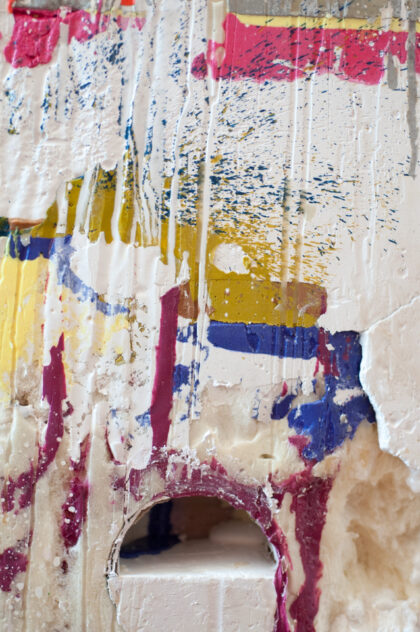
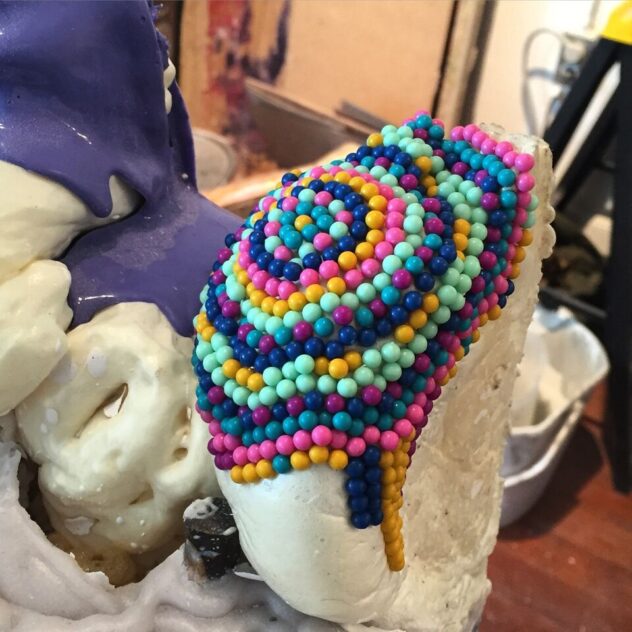
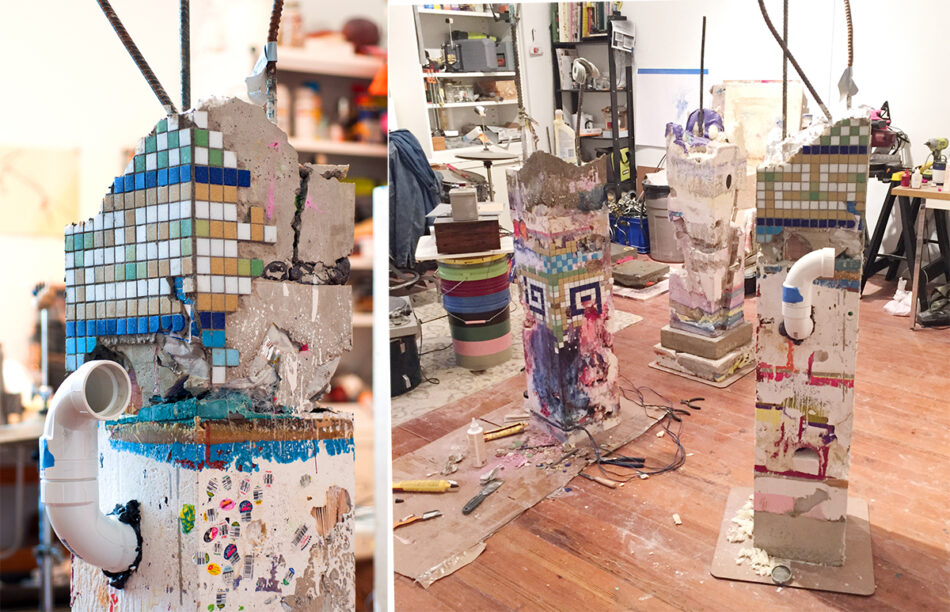
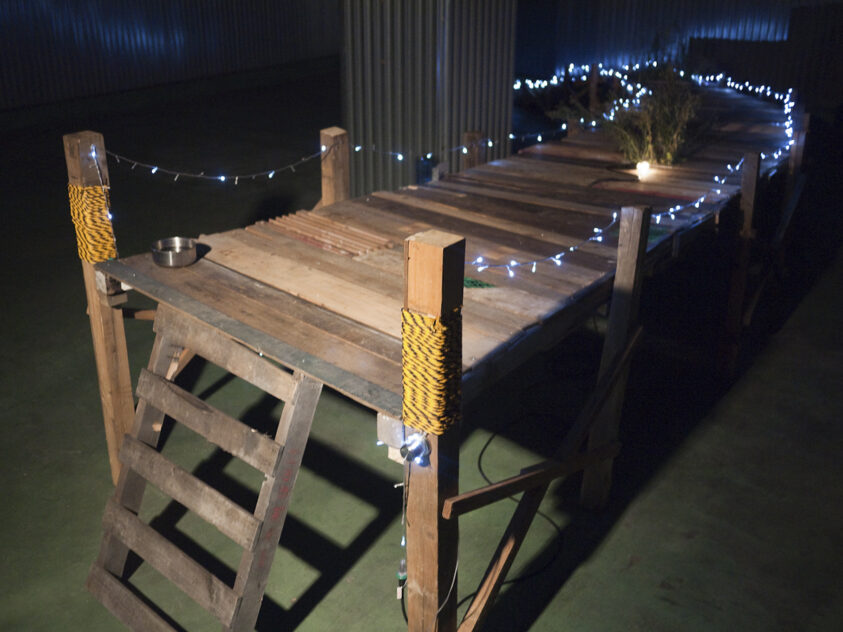
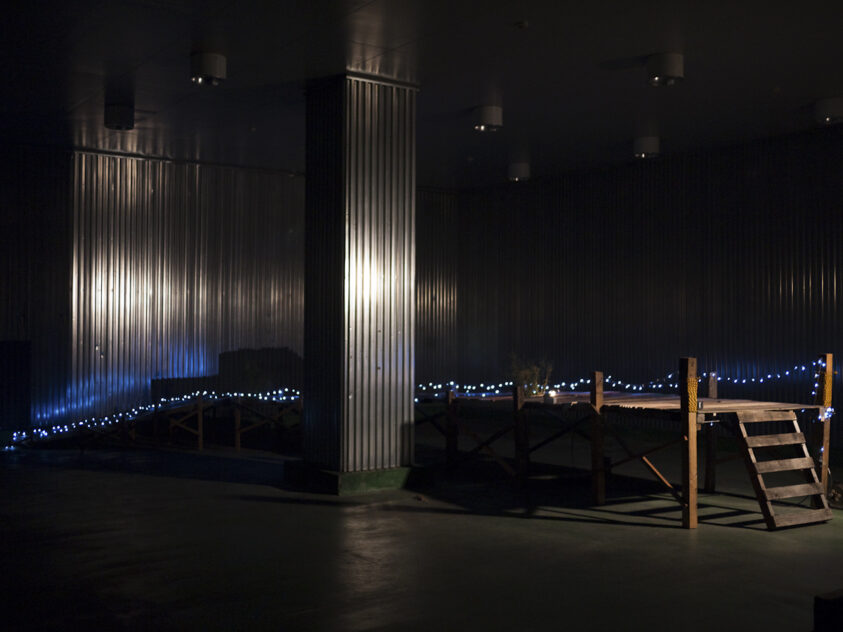
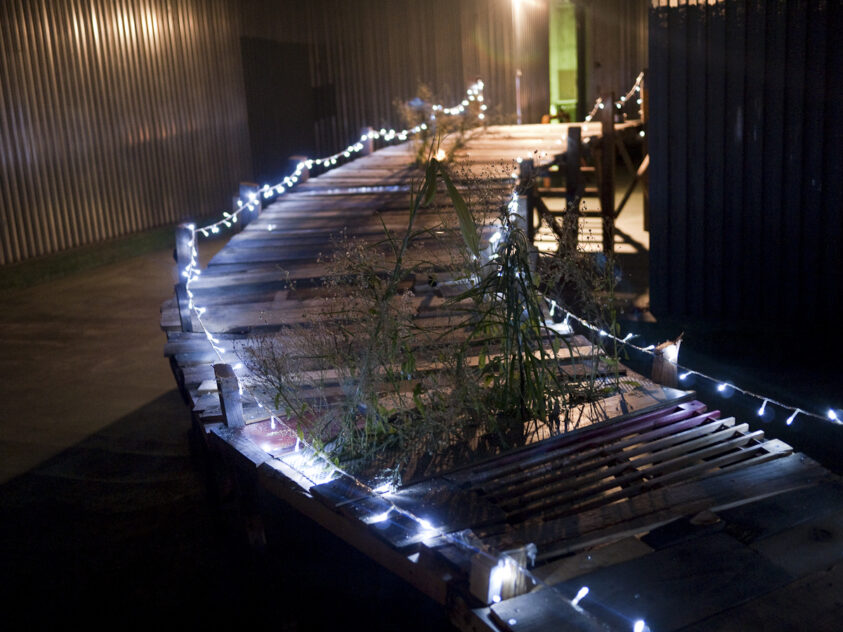
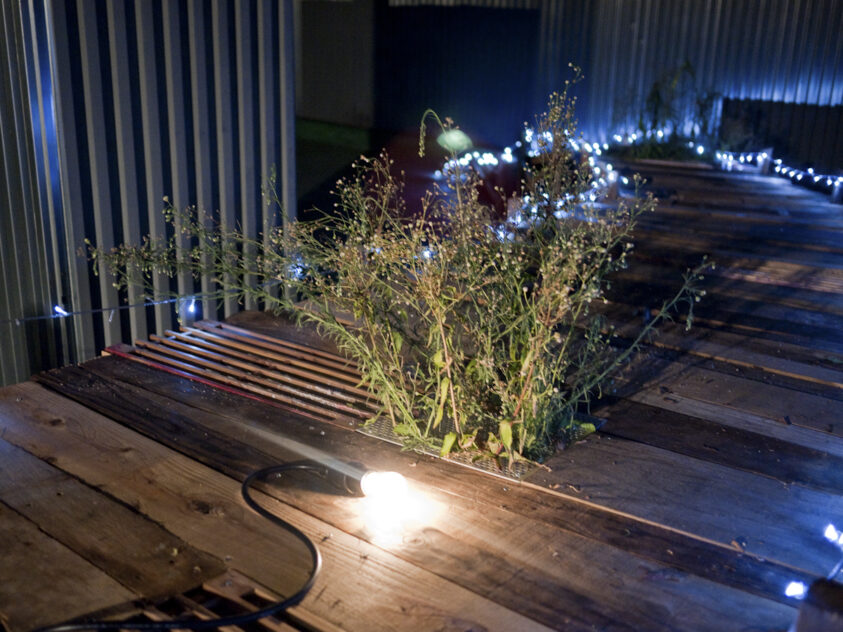
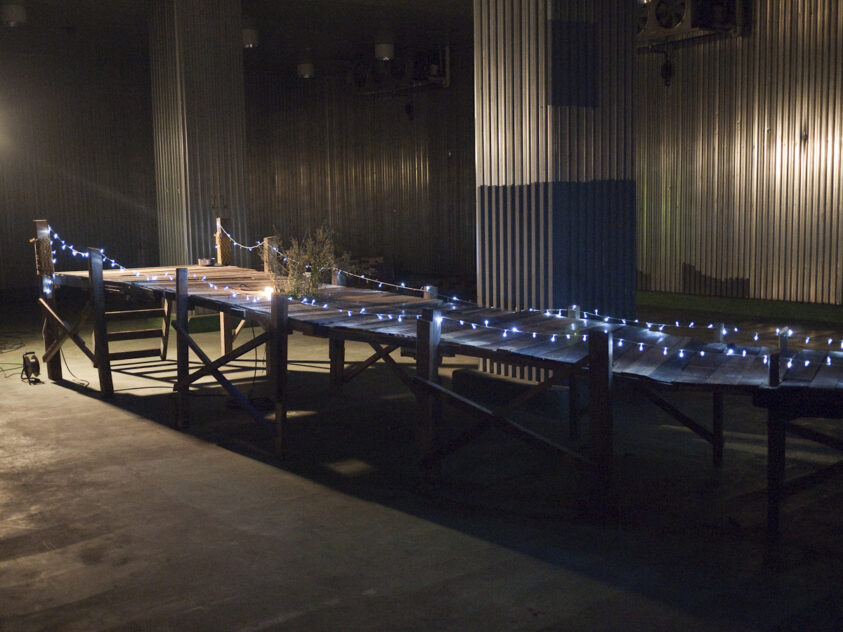
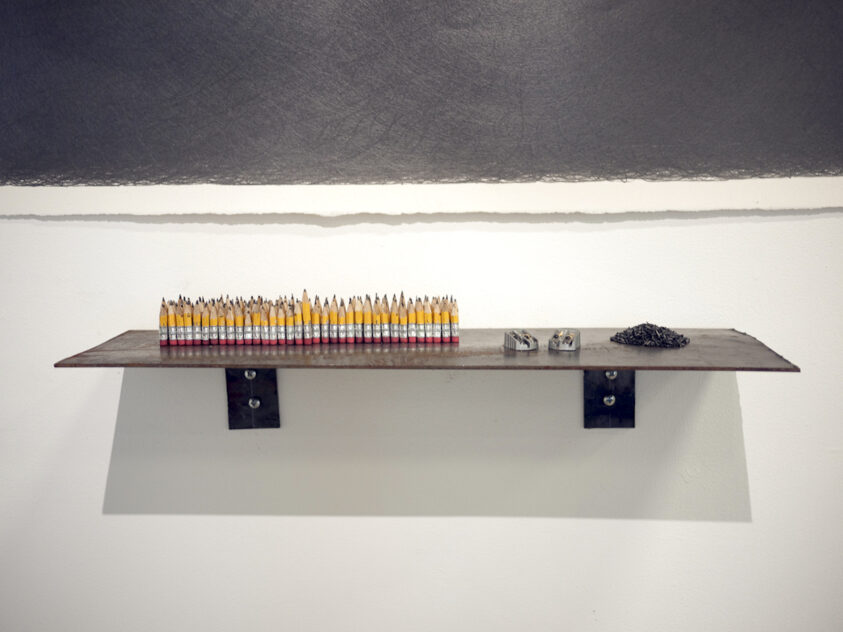
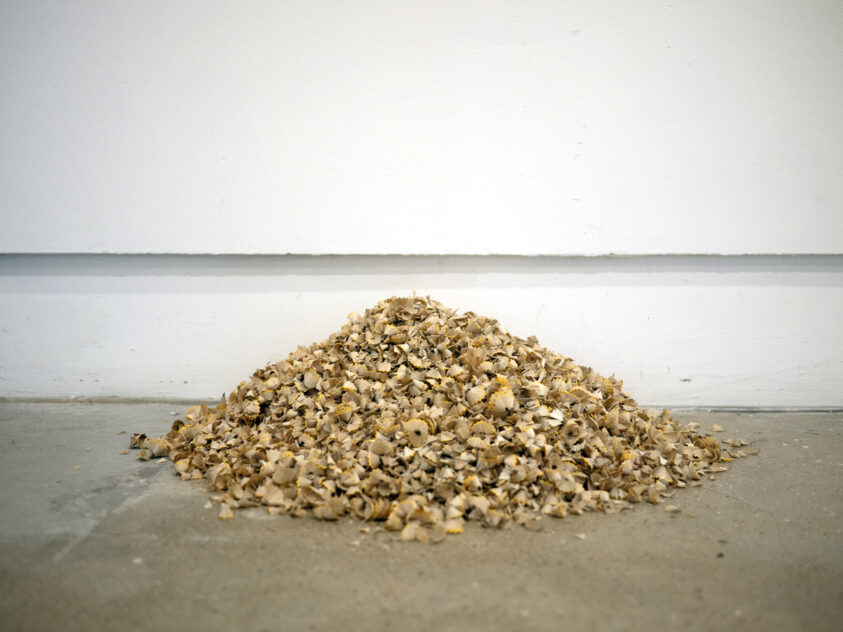
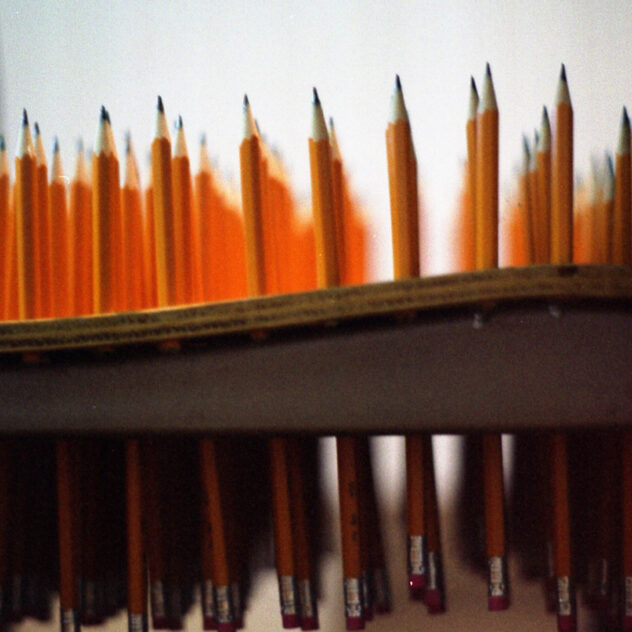
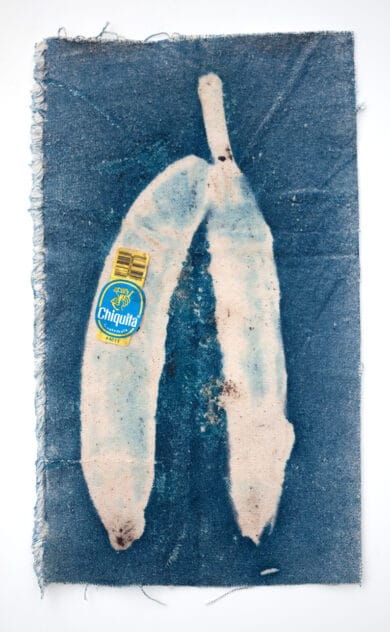
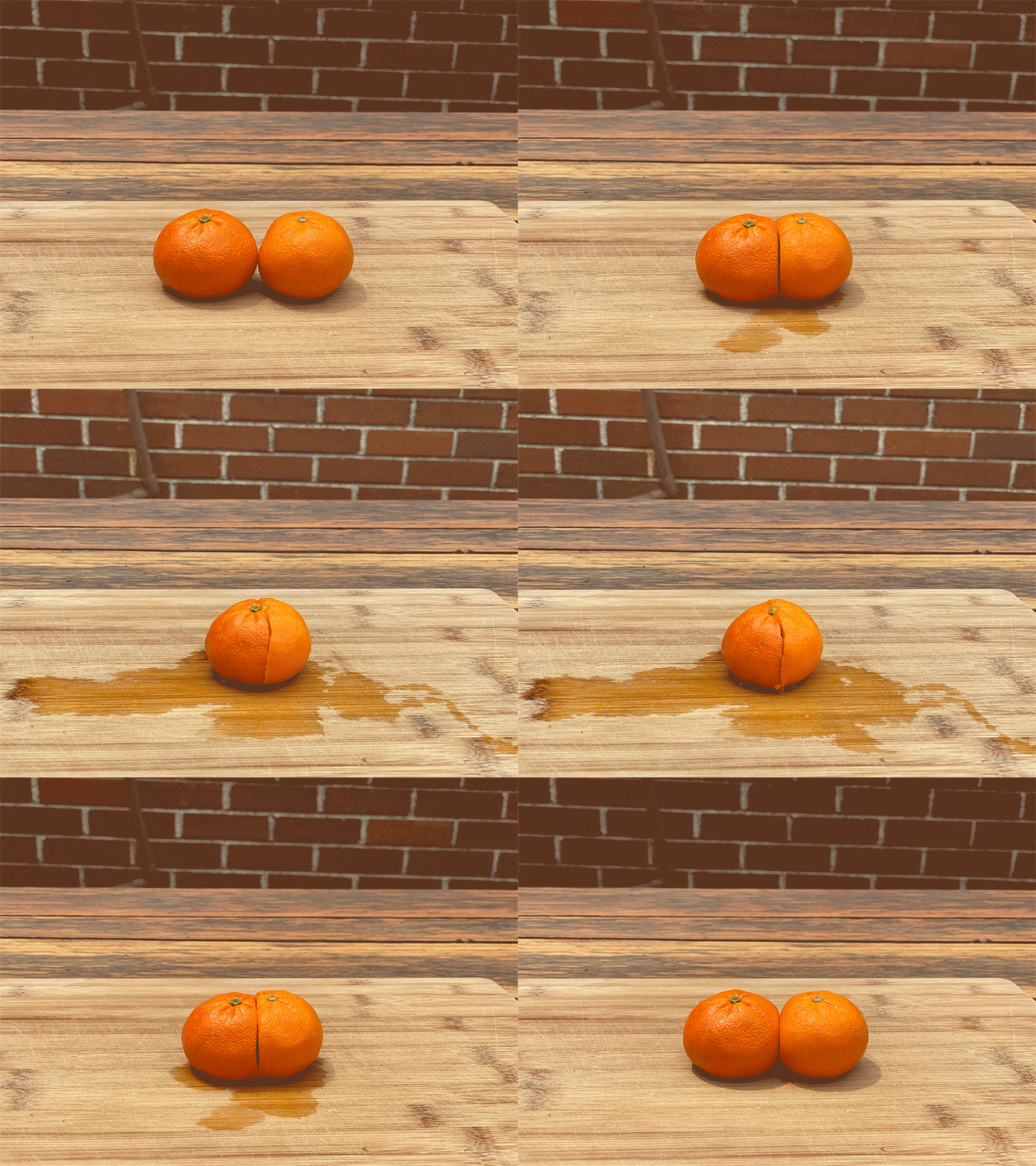
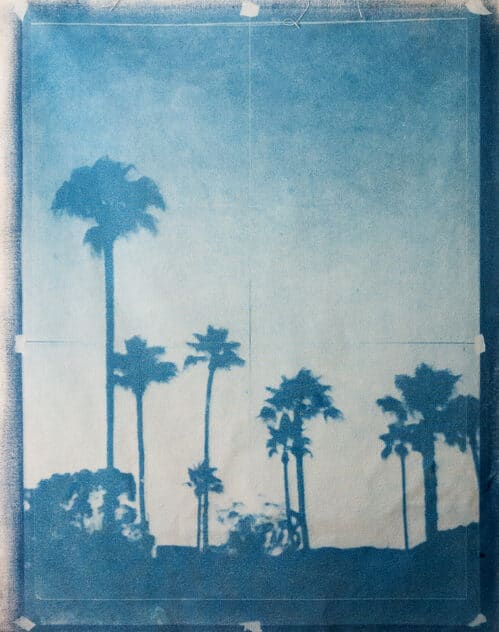
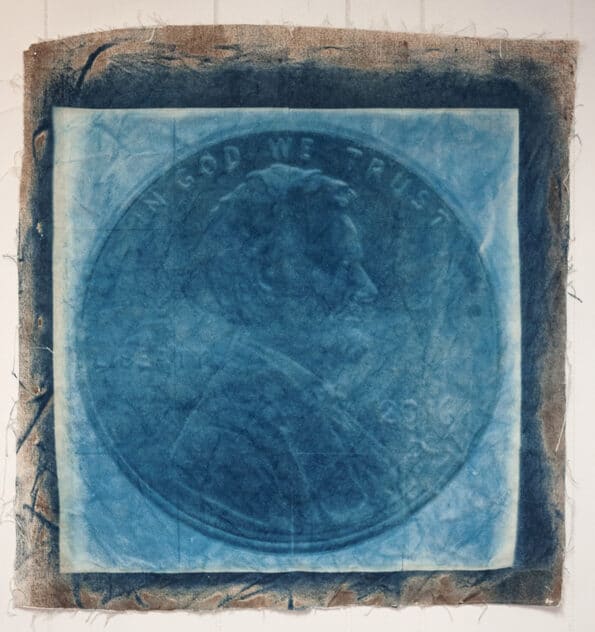
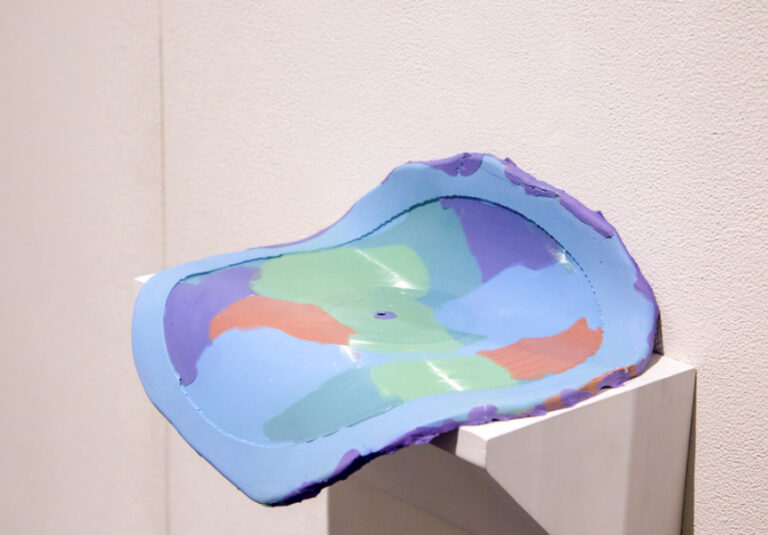
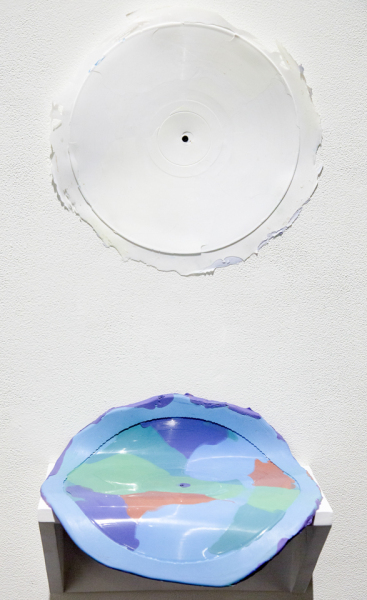
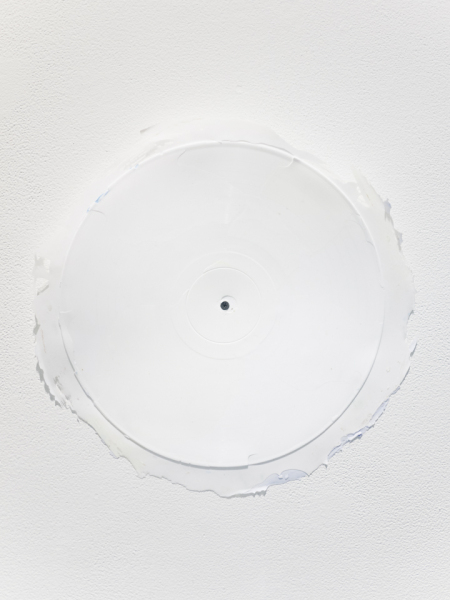
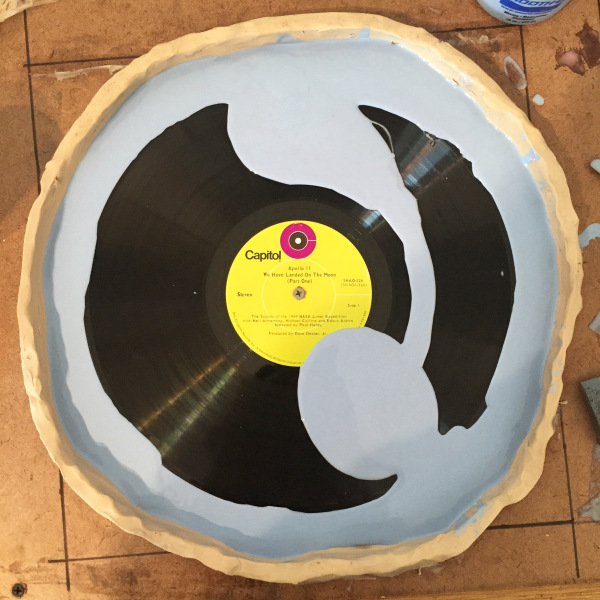
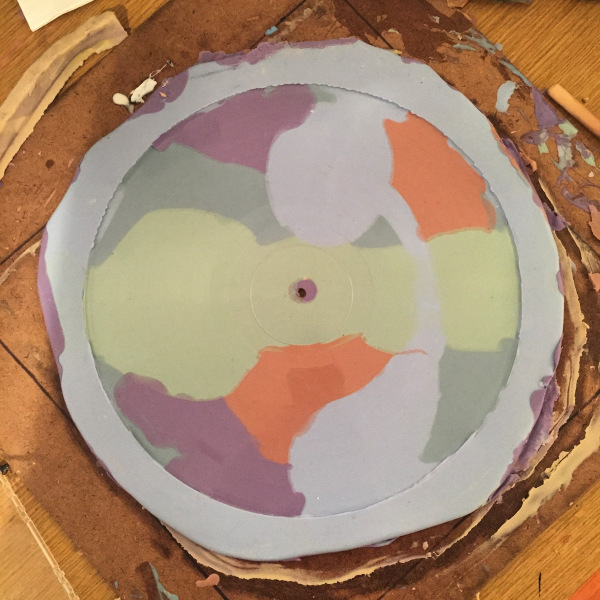
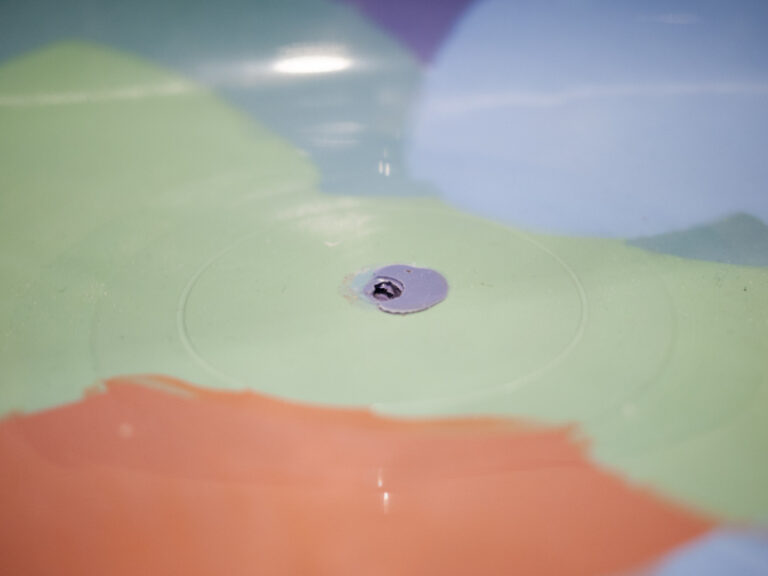
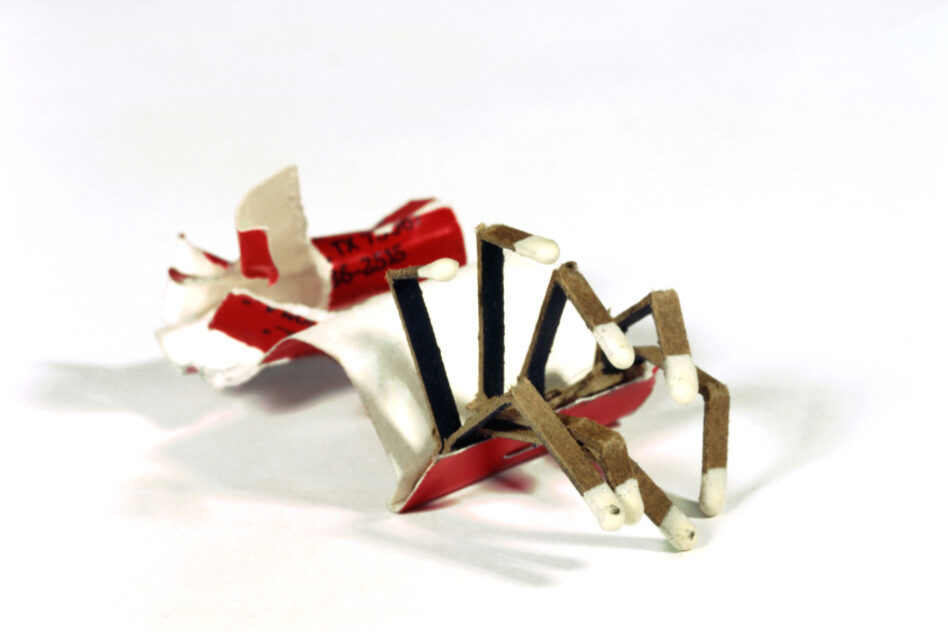
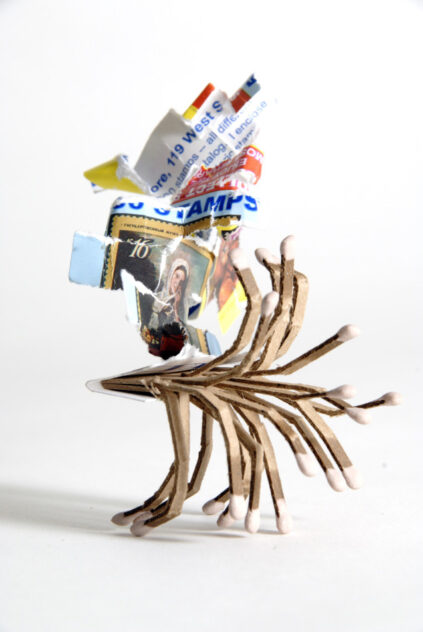
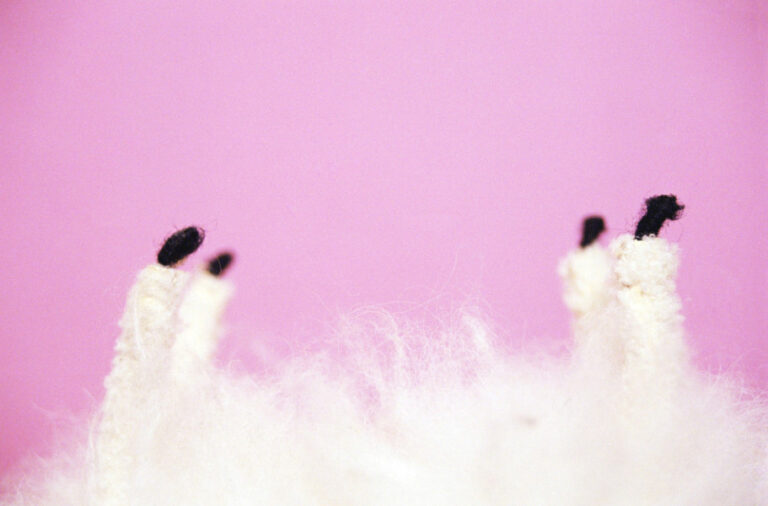
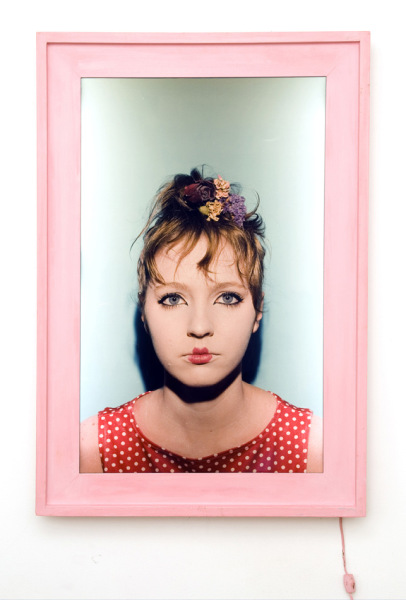
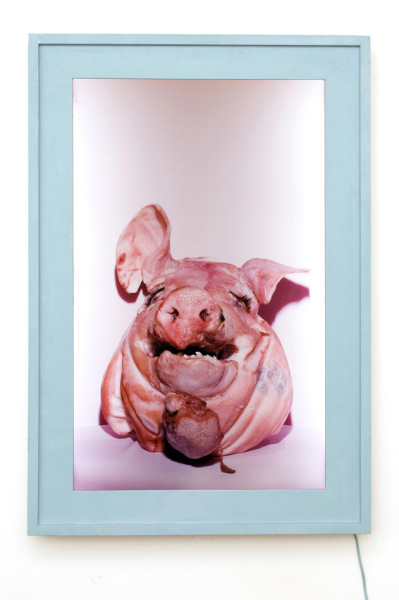
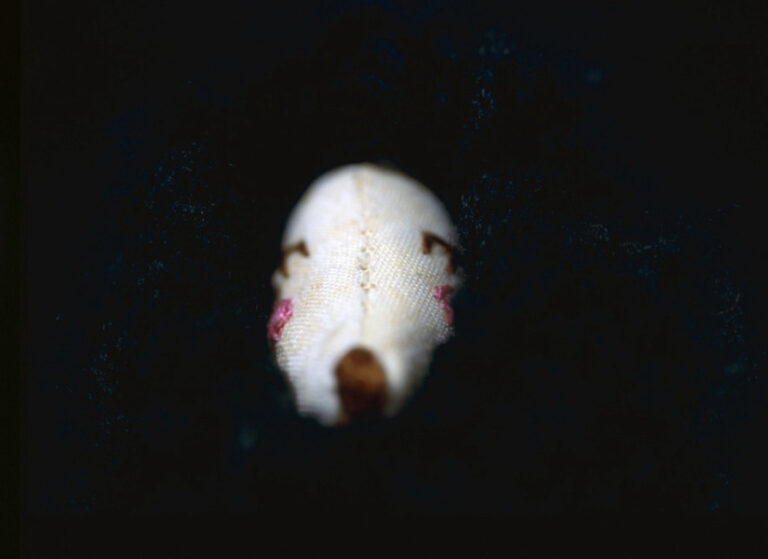
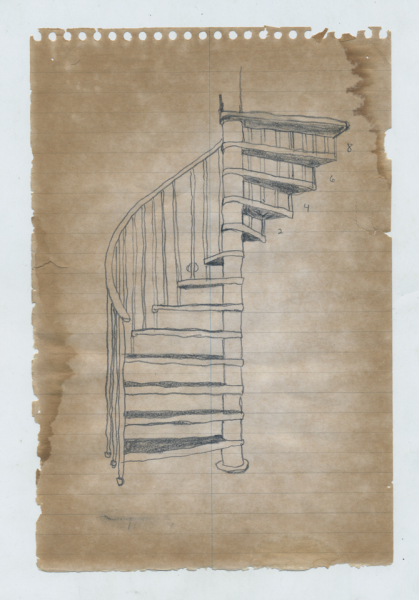
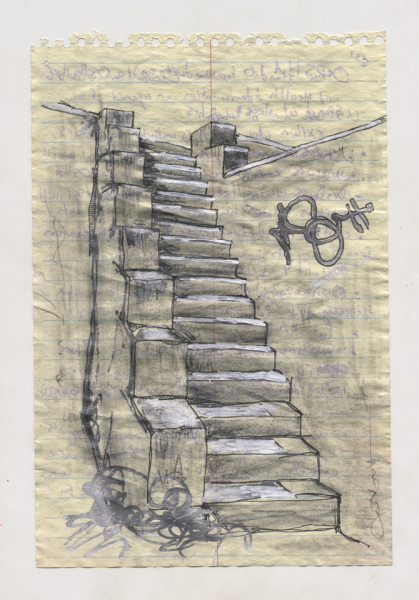
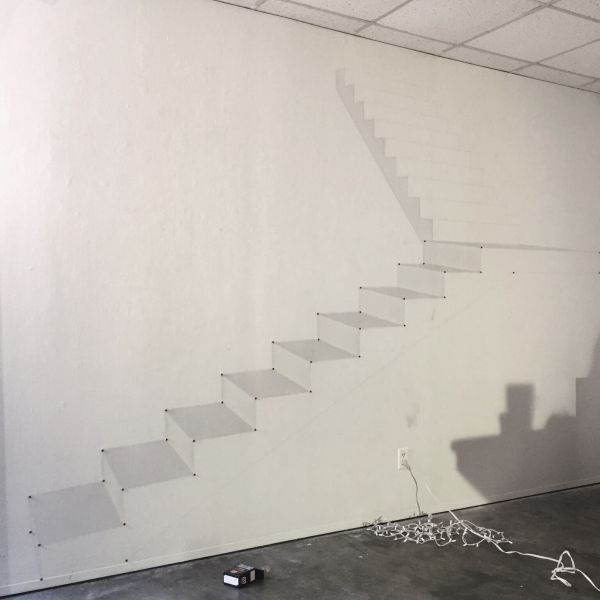
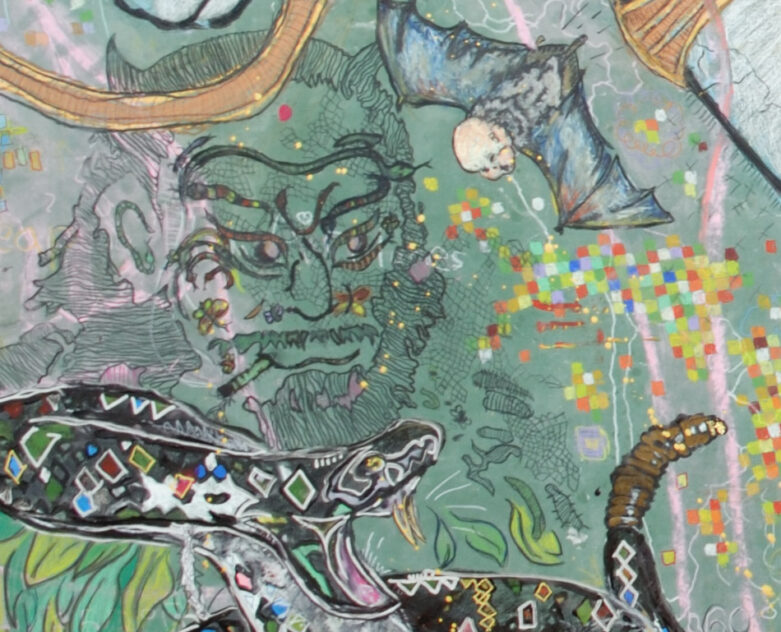
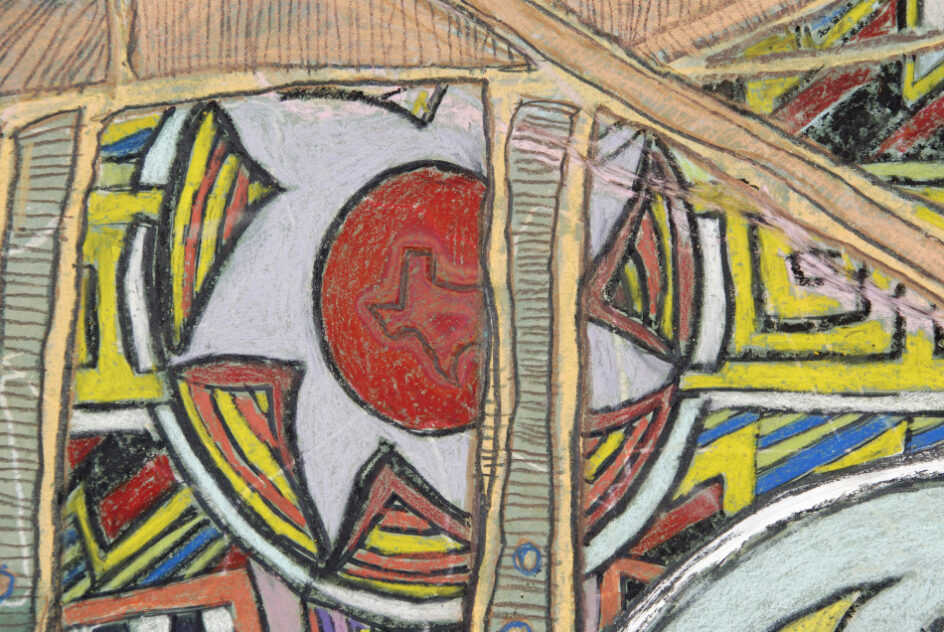
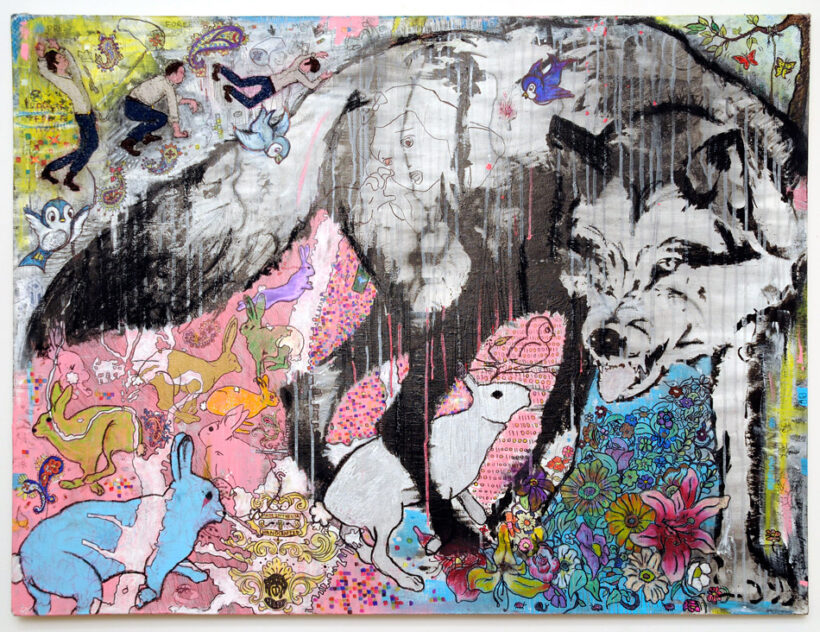
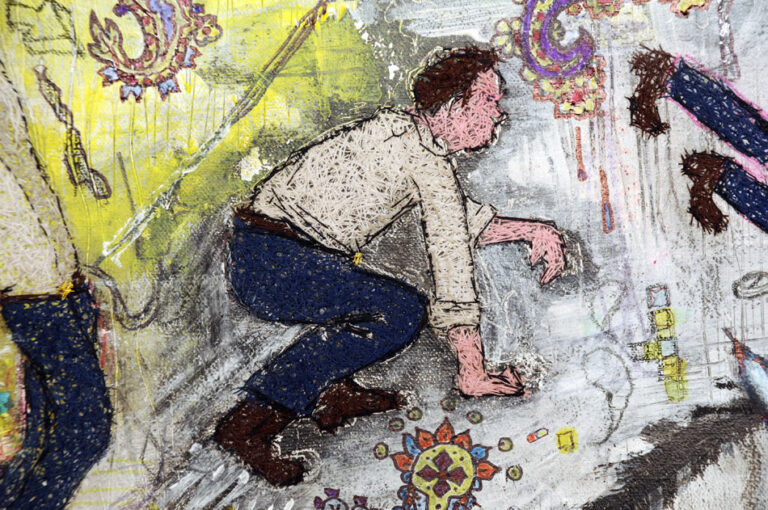
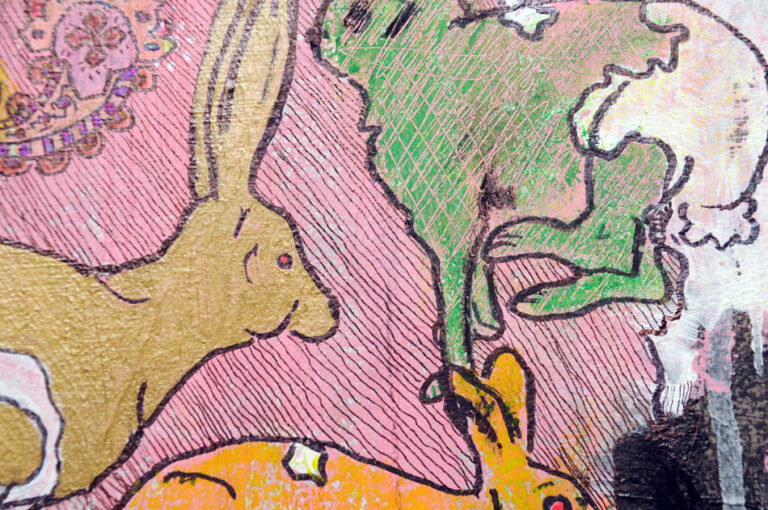
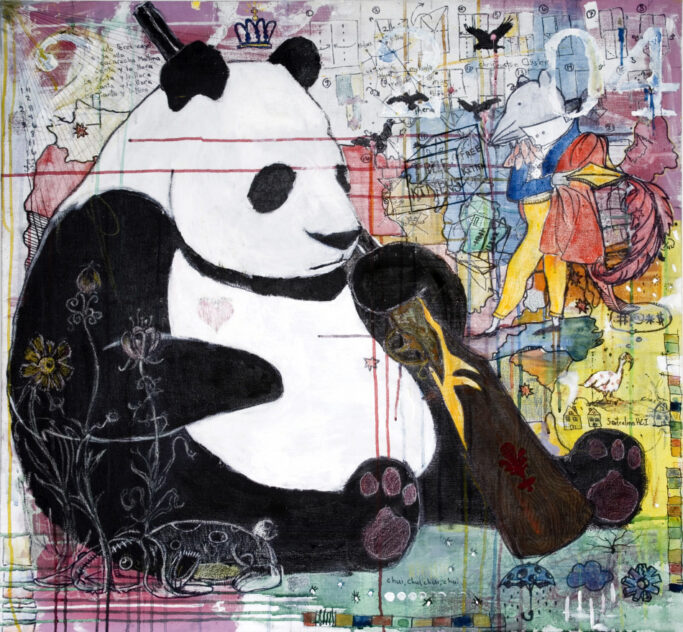
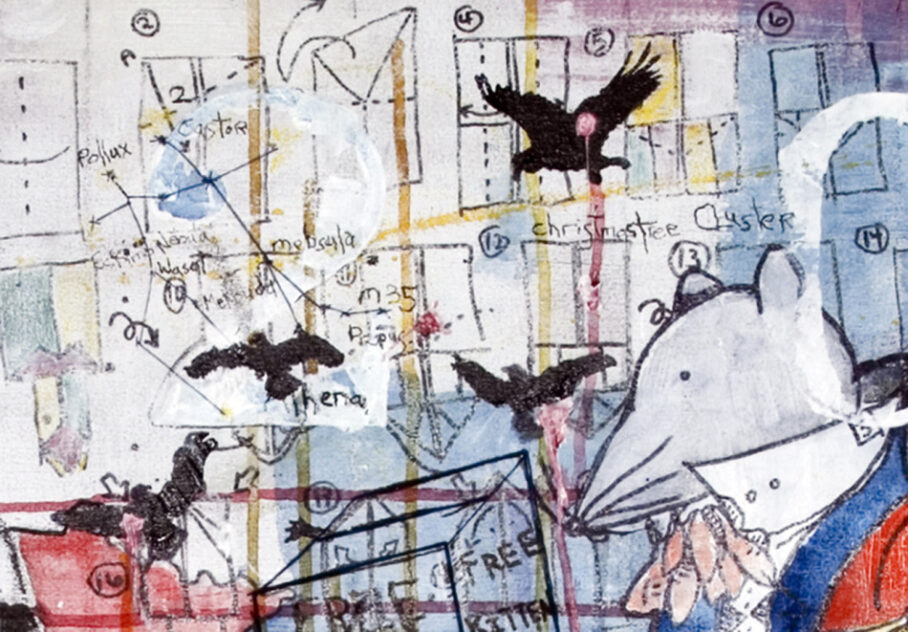
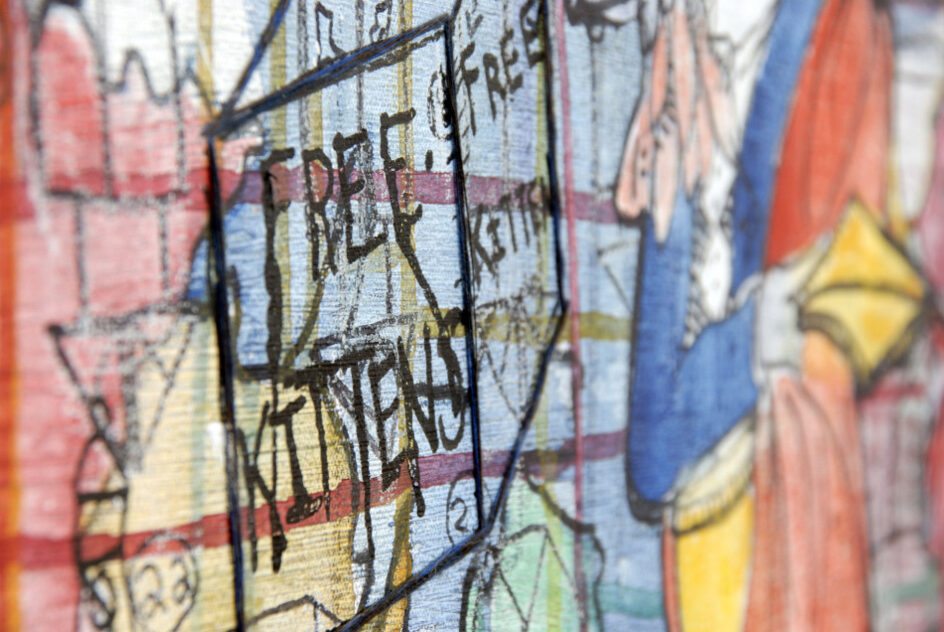
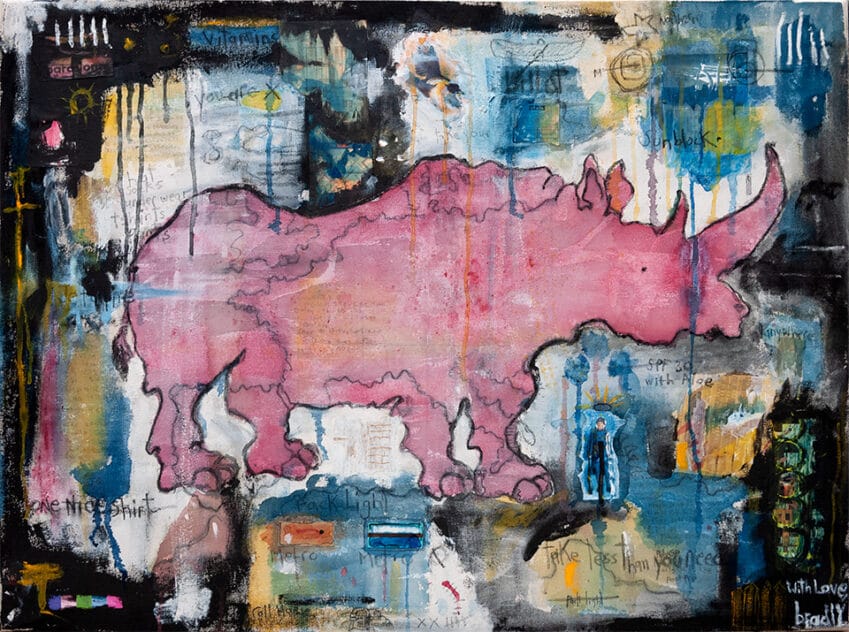
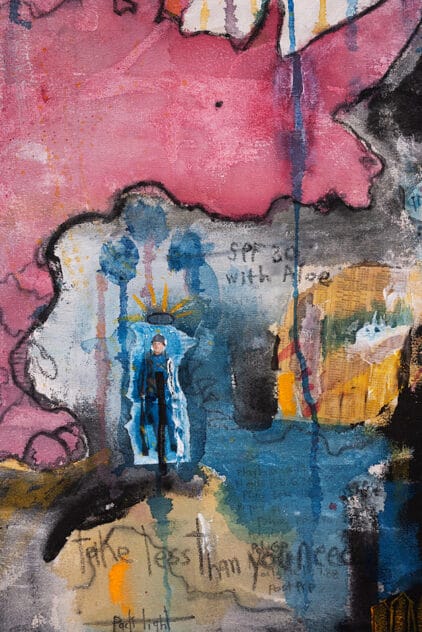
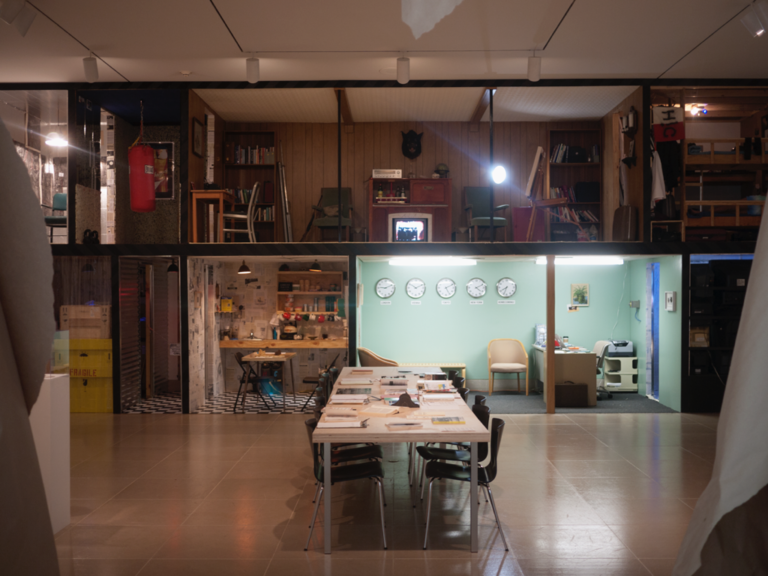
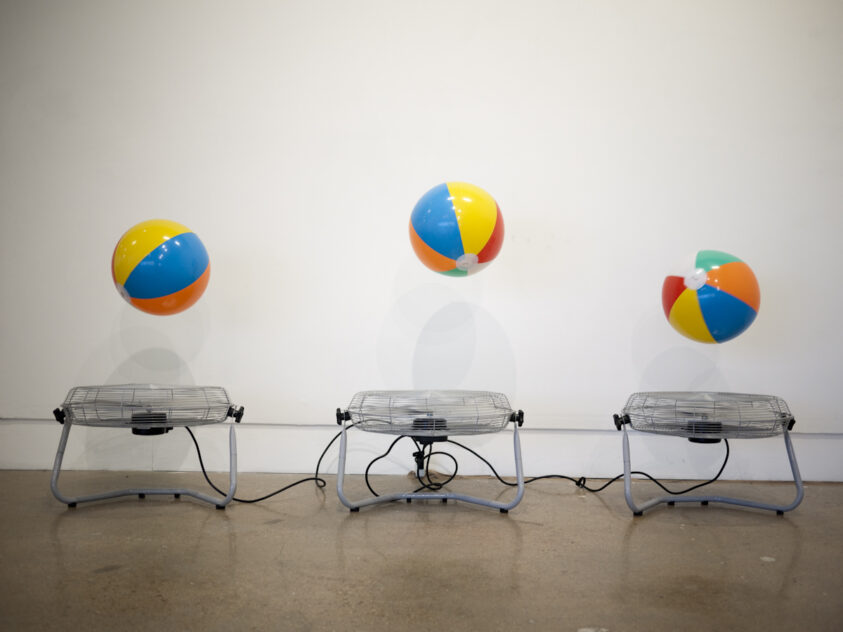
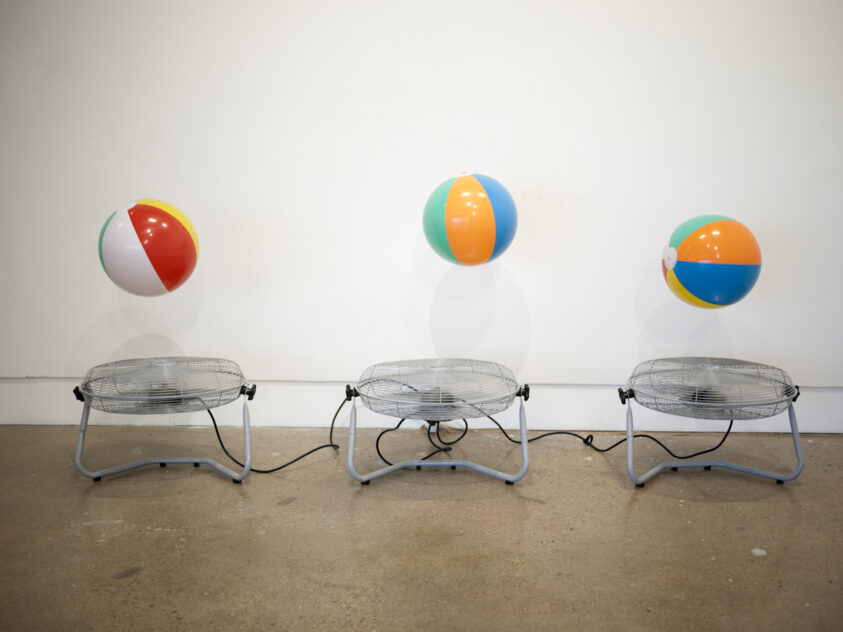
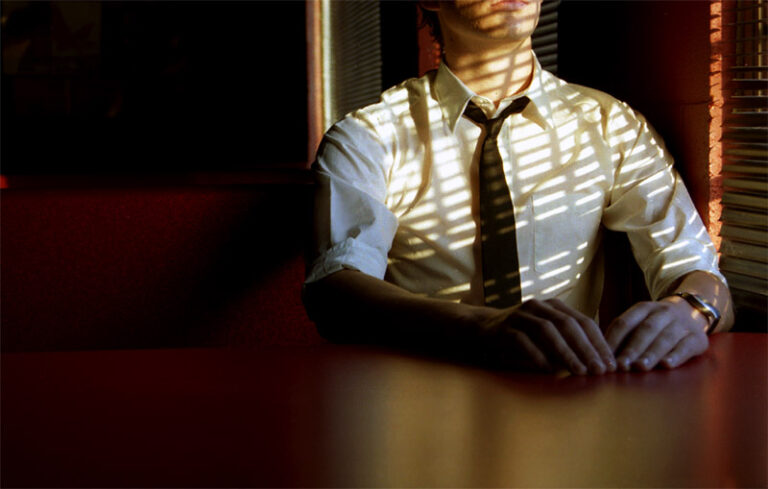
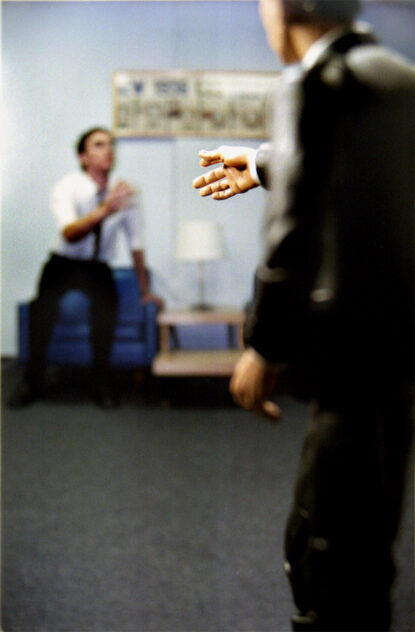
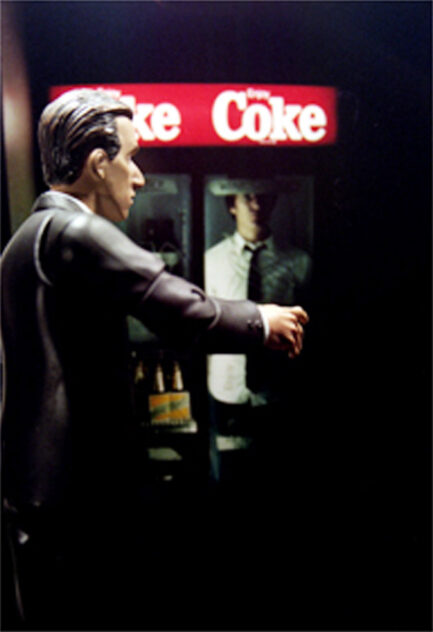
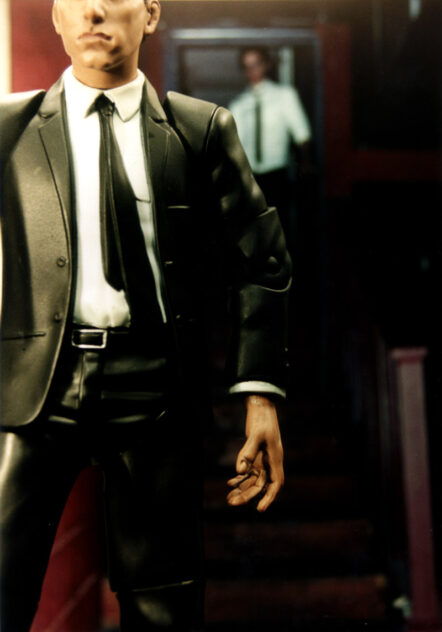
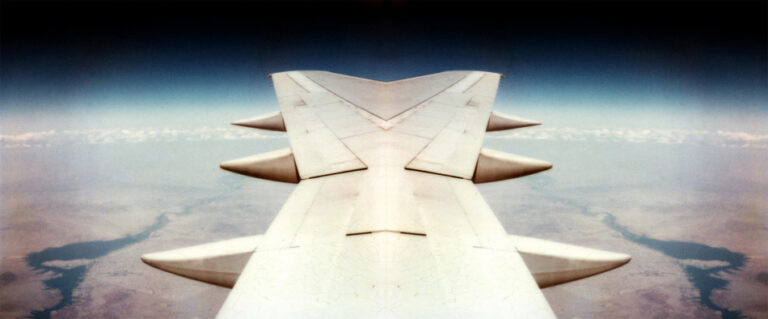
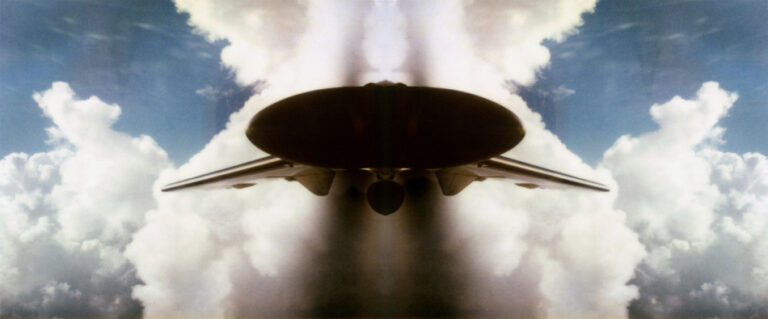
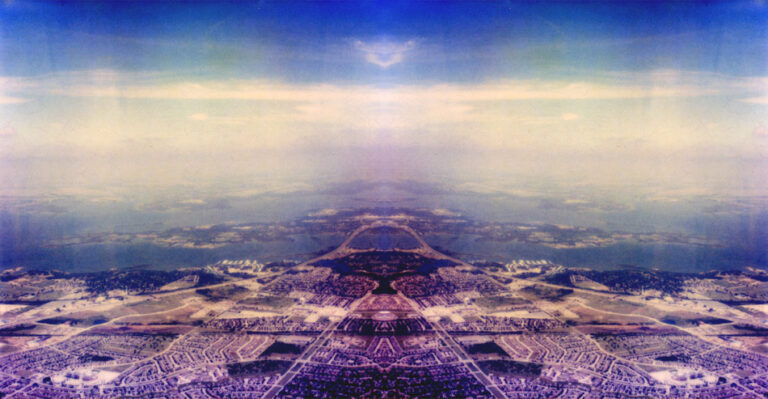
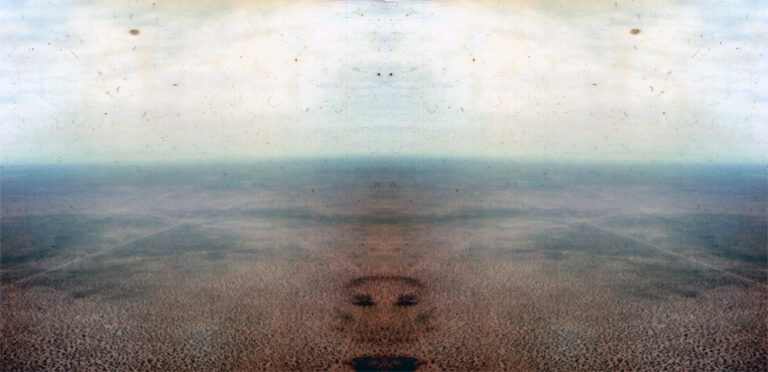
Dopamine was made shortly after the pandemic began from videos of moments that give a small hit of joy, an immediate sense of pleasure. Some are beautiful; others are funny, strange, or simply satisfying. These fragments preserve the feelings of noticing something wonderful before it disappears. Making the work helped me remember that even during a frightening and uncertain time, little things could still feel magical.
Numbers 23:23 (What hath God wrought!), 2018 Solar Studios at Rice University, Houston Tx
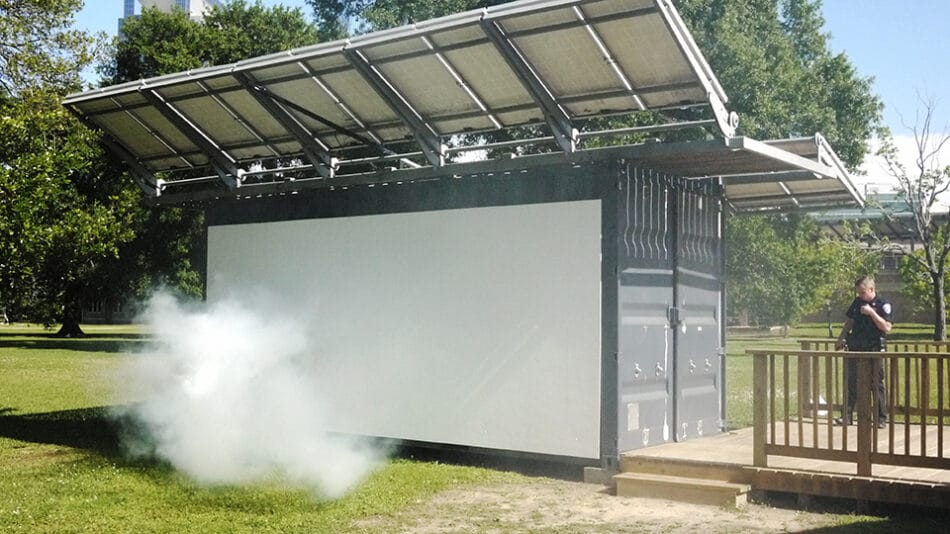
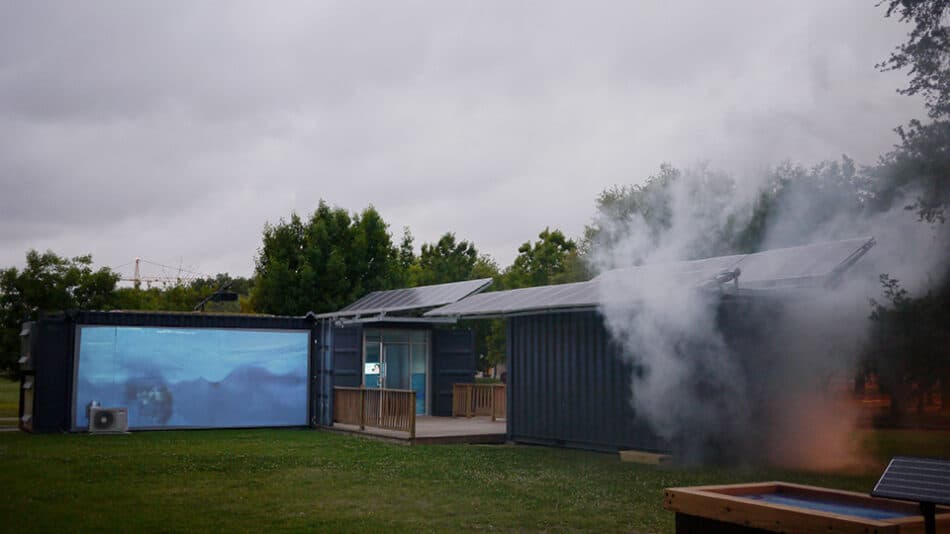
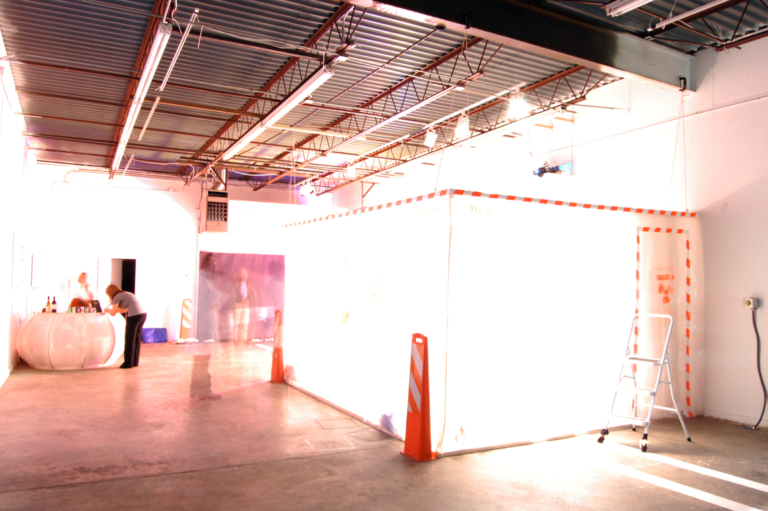
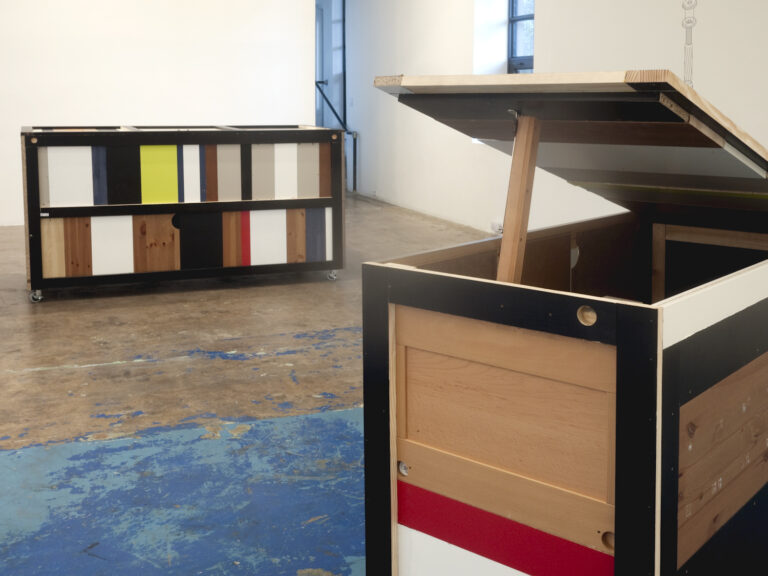
Created for The Ends of Our Index Fingers Are Mute at the Solar Studios, Numbers 23:23 (What hath God wrought!) turned the exhibition space into the sculpture. Each artist in the exhibition was given a container as a place to present work, instead of filling the space, Brown sealed it shut with a chain and padlock, closing off the interior and leaving visitors on the outside.
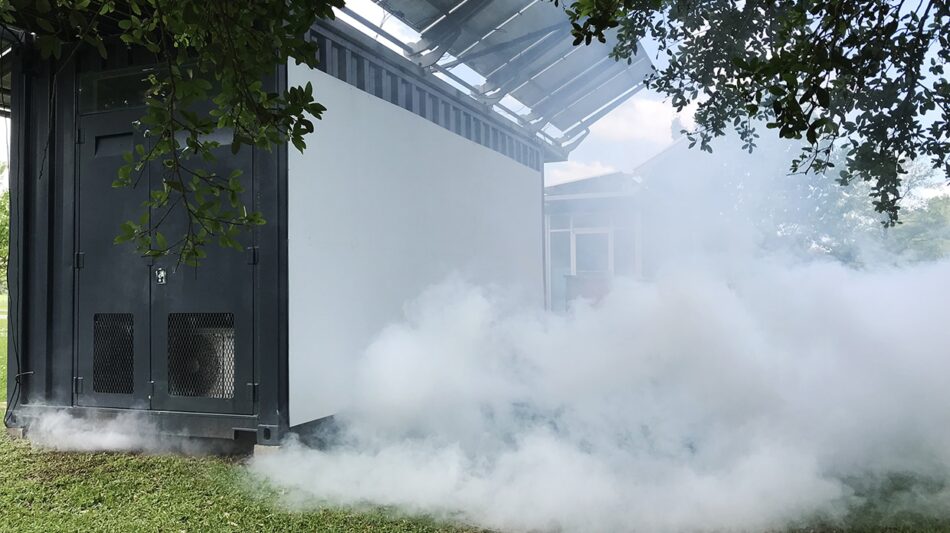
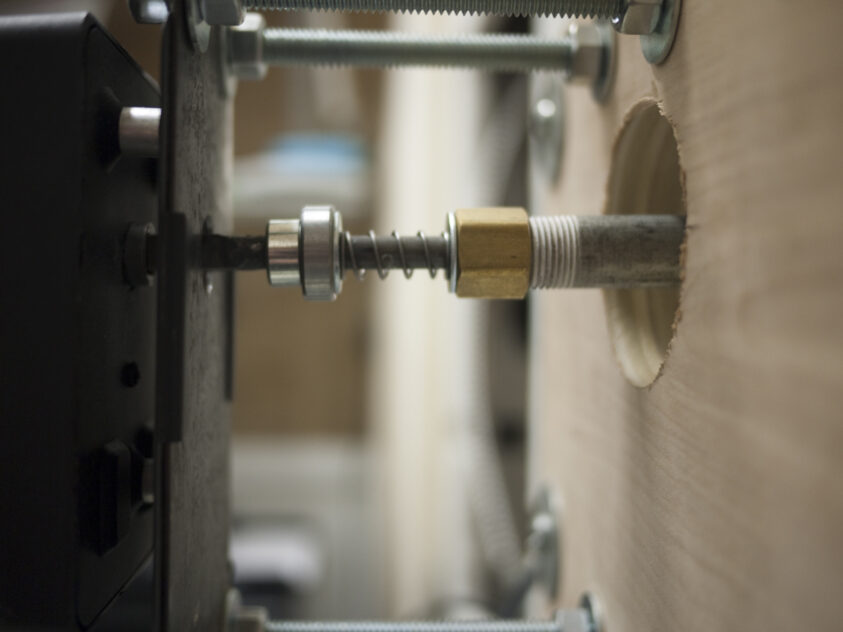
Inside, a smoke machine controlled by a programmable timer switches on and off in the rhythm of Morse code. The pattern spells out “What hath God wrought,” the message Samuel F. B. Morse sent in 1844 to open the American telegraph era. The phrase comes from the Book of Numbers, chapter 23, verse 23. As smoke fills the container, it seeps through the seams and gaps and rises into the air, so the sealed box appears to be sending a signal in the middle of the Rice University campus.
The piece drew the attention of many passersby who didn’t know it was an artwork. Over the course of the exhibition, police and the fire department were called to the site several times.
The work reflects on the unintended consequences of our efforts to solve problems. Powered by the sun and staged within a solar-energy research space, the container points to our search for clean, renewable energy, and to the way each fix tends to create a new problem. When we put out one fire, we often start another. Morse’s message, first sent as a marvel of human progress, becomes a question about what our inventions set in motion.
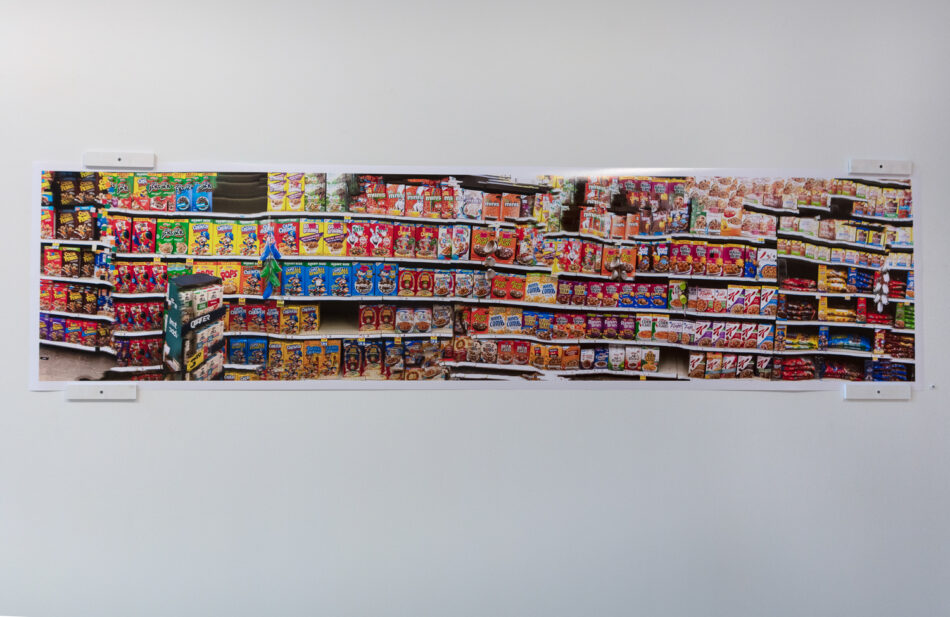
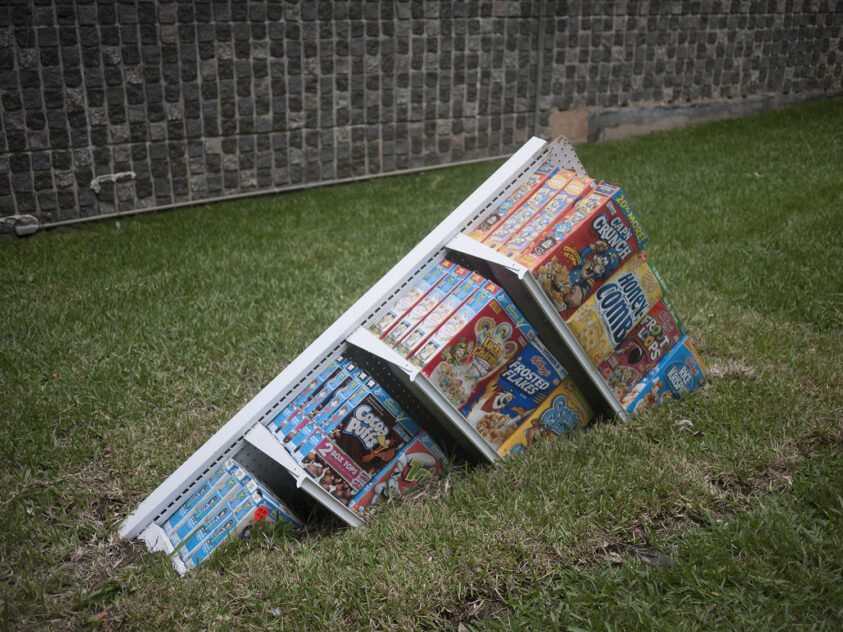
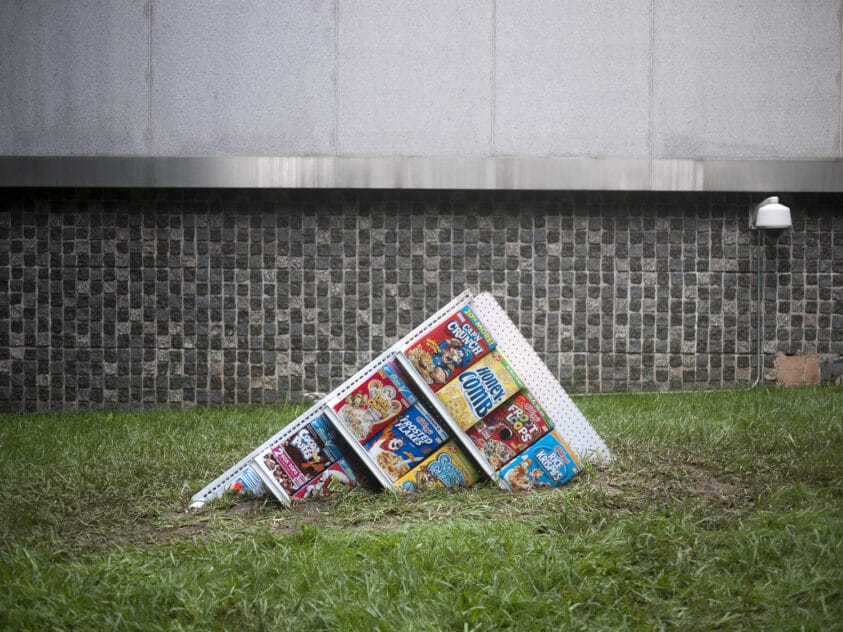
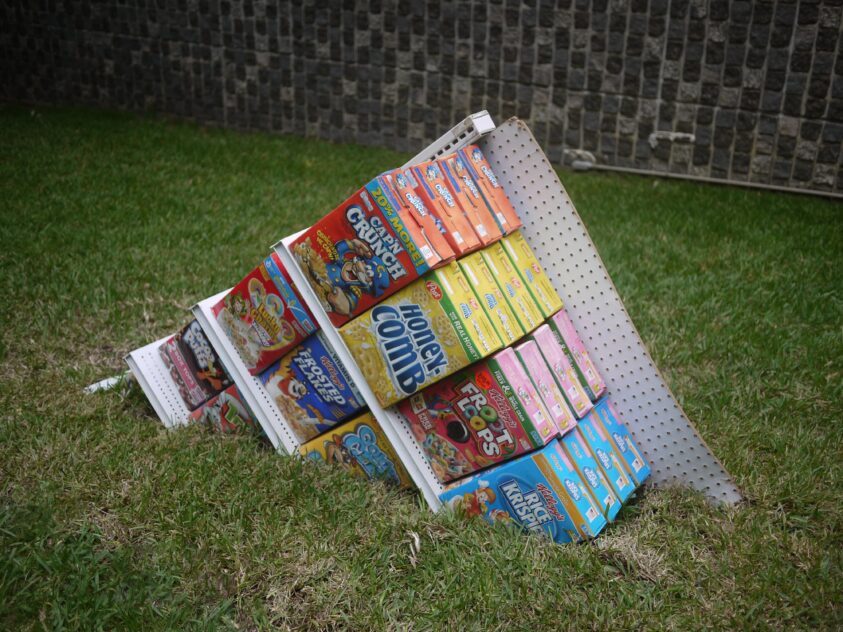
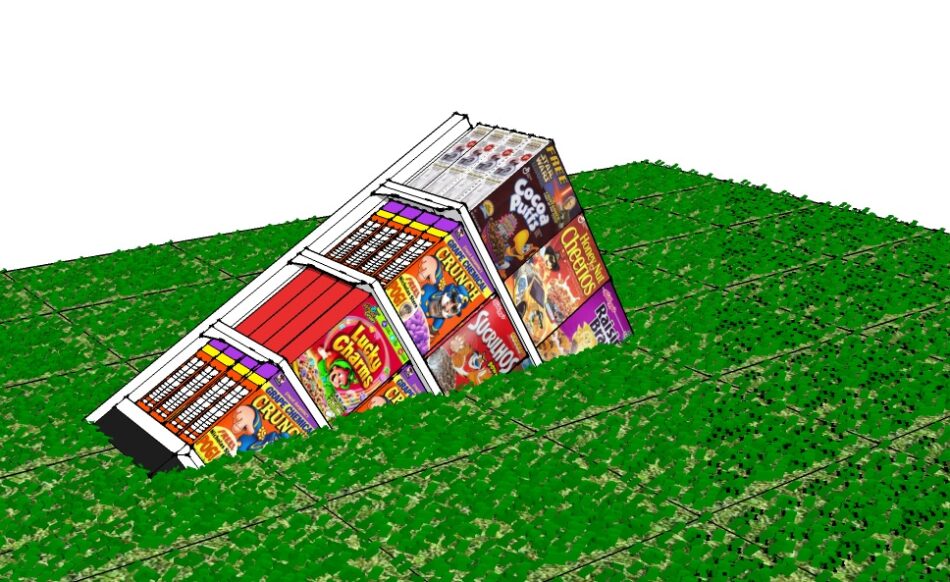
A single unit of grocery store shelving, tipped back and partially sunk into the ground, holds roughly forty boxes of cereal. Each box has been emptied and refilled with concrete. The cereal aisle, among the most ordinary sites of everyday choice, becomes a monument to the sheer volume of decisions contemporary life demands.
Faced with dozens of nearly identical products, even a trivial decision can become weighty, and the fear of choosing wrong can leave us unable to choose at all. Here, that paralysis takes physical form: the boxes can no longer be lifted, compared, or taken home. They have stopped moving, and in stopping, they have begun to settle into the earth like fossils.
The work references Robert Smithson’s Partially Buried Woodshed (1970), for which Smithson piled earth onto a shed until its central beam cracked, then left the structure to decay. Partially Buried Cereal Aisle is likewise half-claimed by the ground and meant to change over time. Exposed to sun, rain, and wind, the printed cardboard fades, softens, and falls away. Eventually, only a spare geometric structure of metal and concrete remains: a relic of the present, and the skeleton of an aisle built around choice.
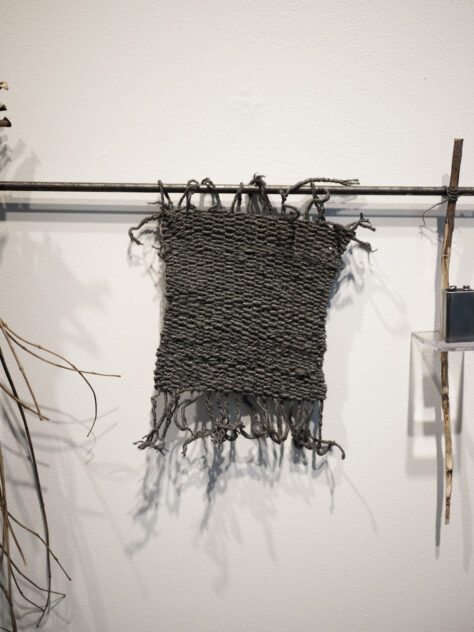
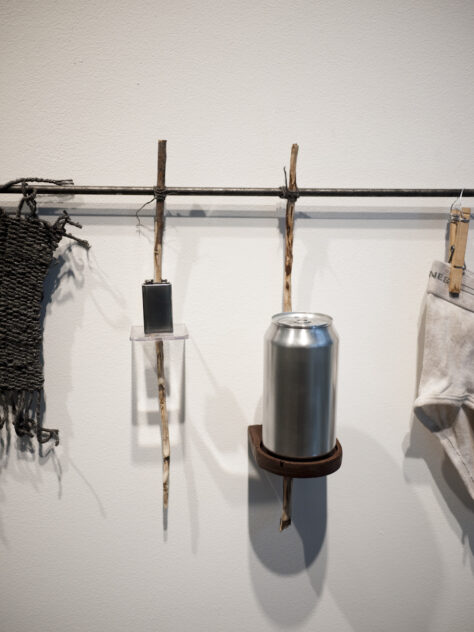
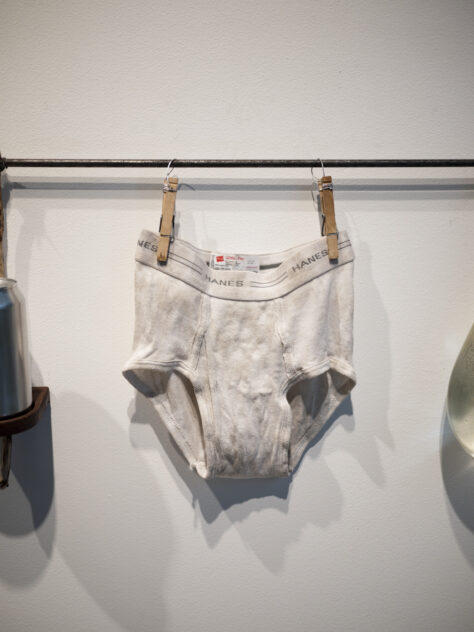
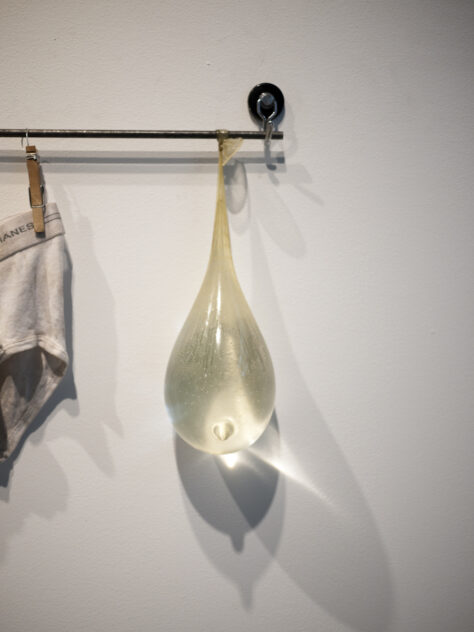
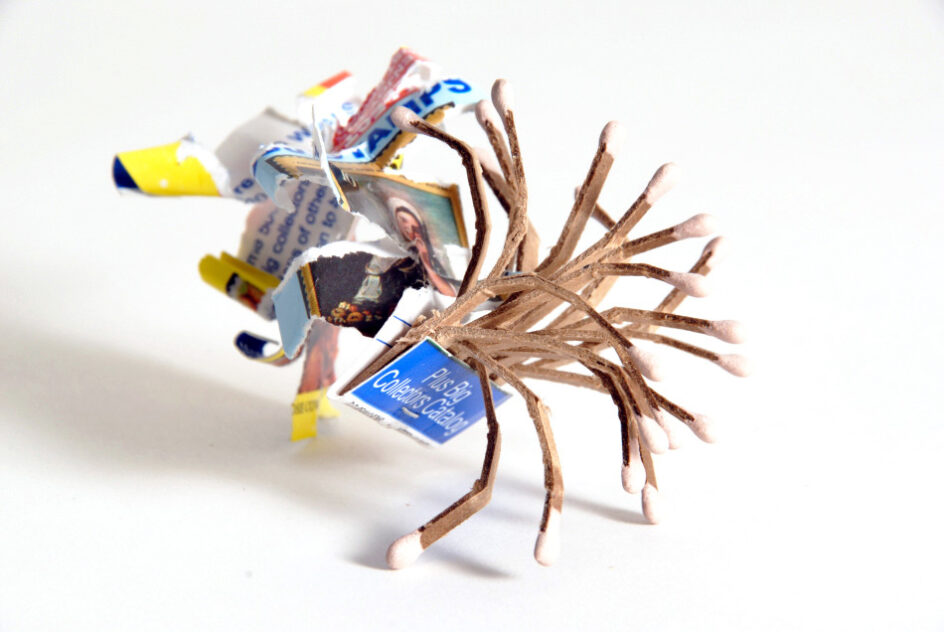
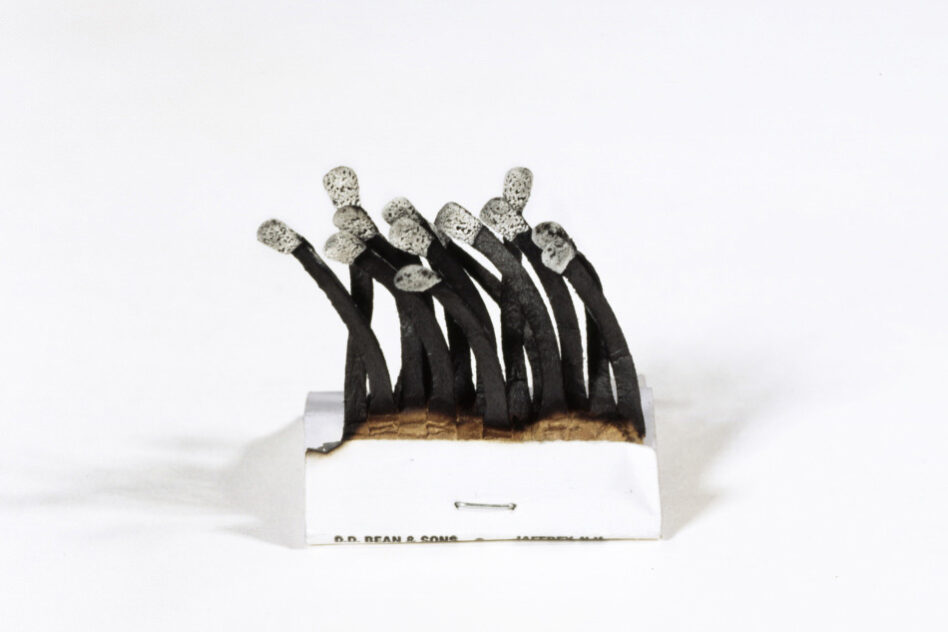
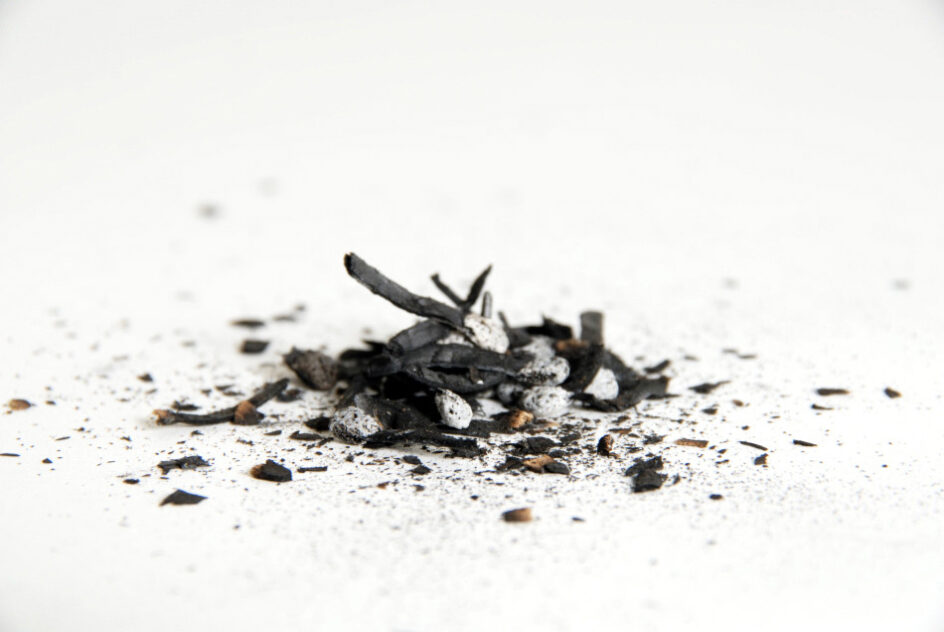
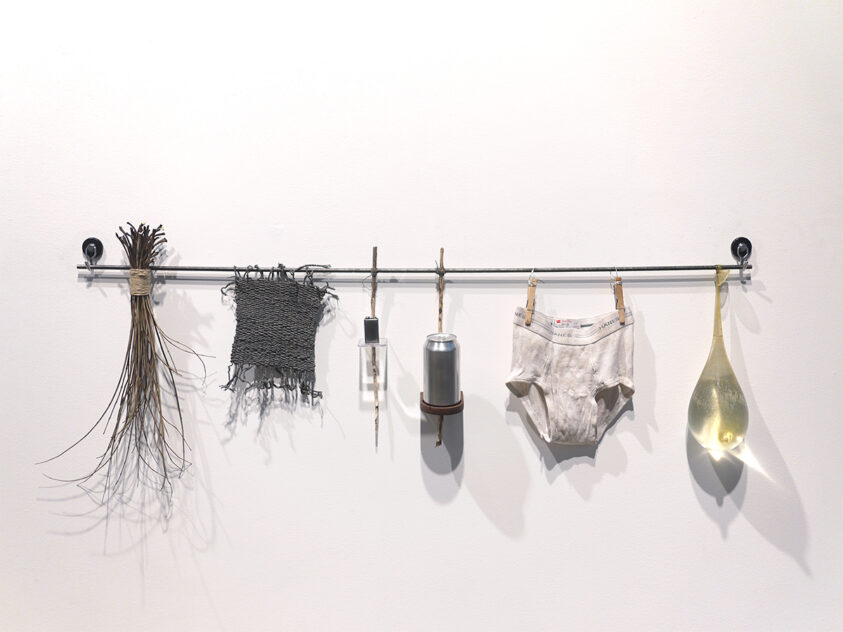
Several Ways to Start a Fire, 2013 Twigs, rope, steel wool, battery, magnifying glass, aluminum can, chocolate, underwear, close pins, condom, water, and hardware
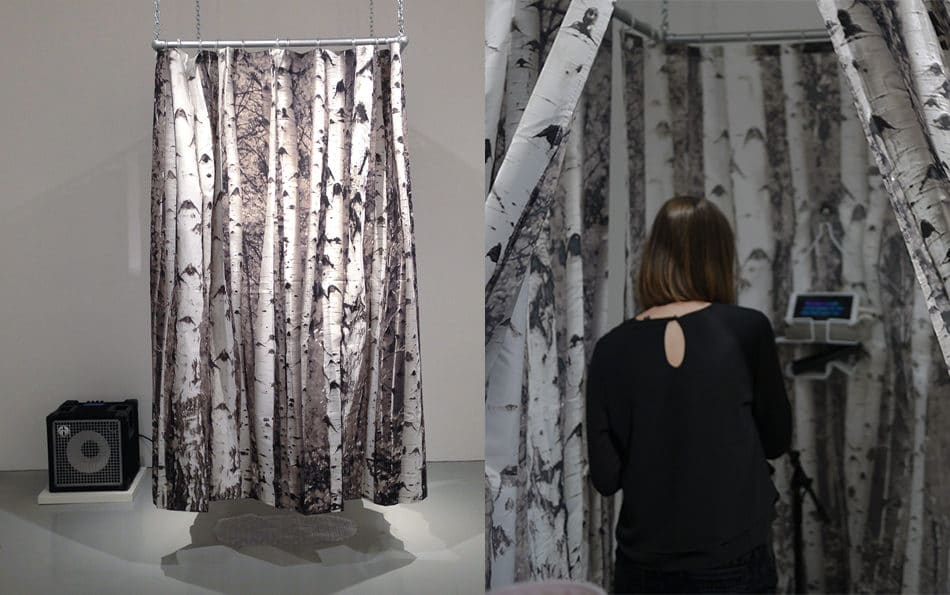
Wonderwall was a site-specific installation that consisted of a karaoke booth that mimicked a shower stall. Individuals were instructed to sing along to the music they heard threw headphones as the lyrics appeared on a monitor in front of them. The a-cappella vocals were audible throughout the gallery space during the exhibition. Each performance was recorded and layered into a single track, creating the illusion of a choir.
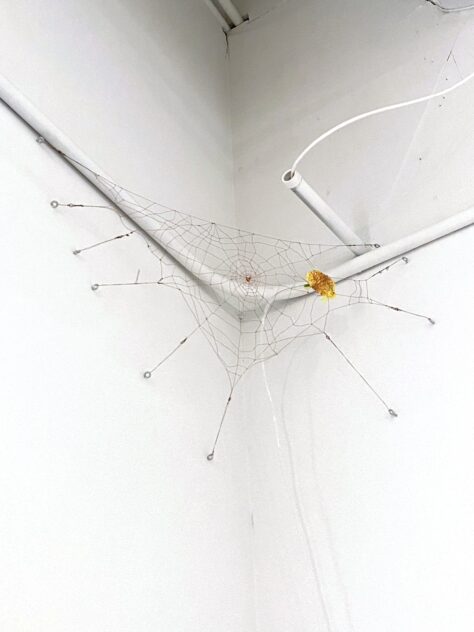
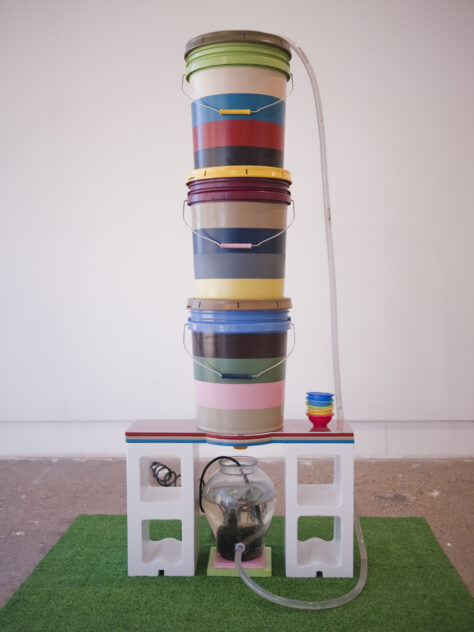
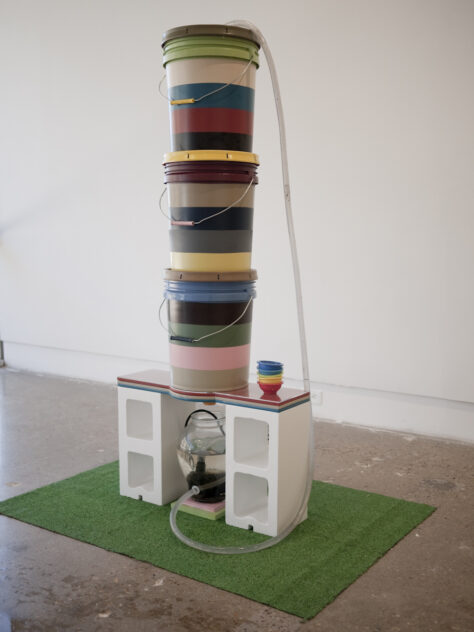
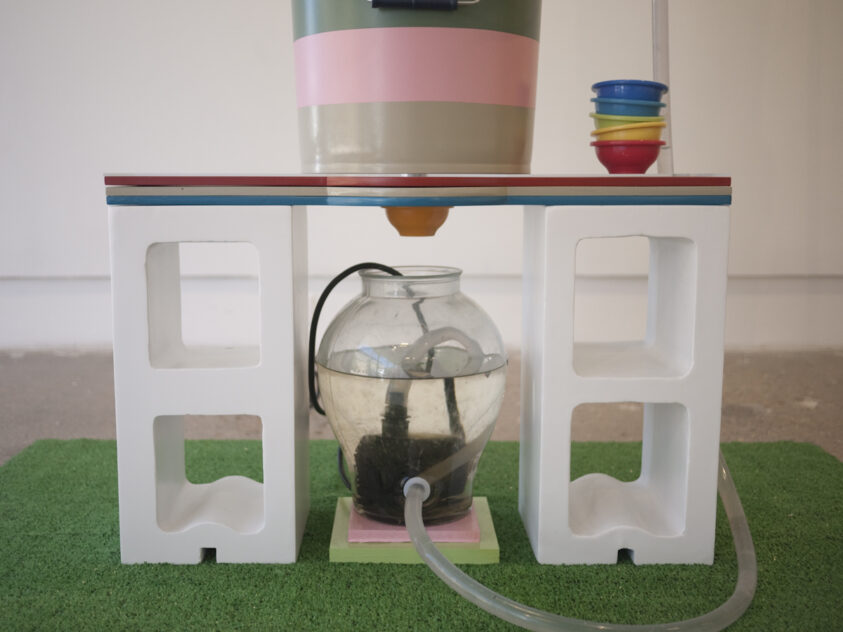
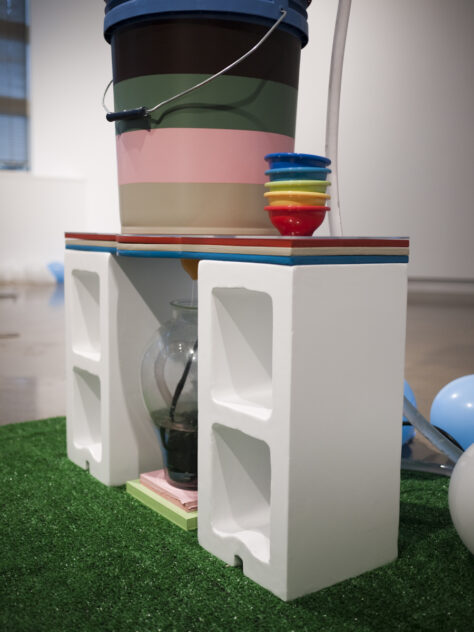
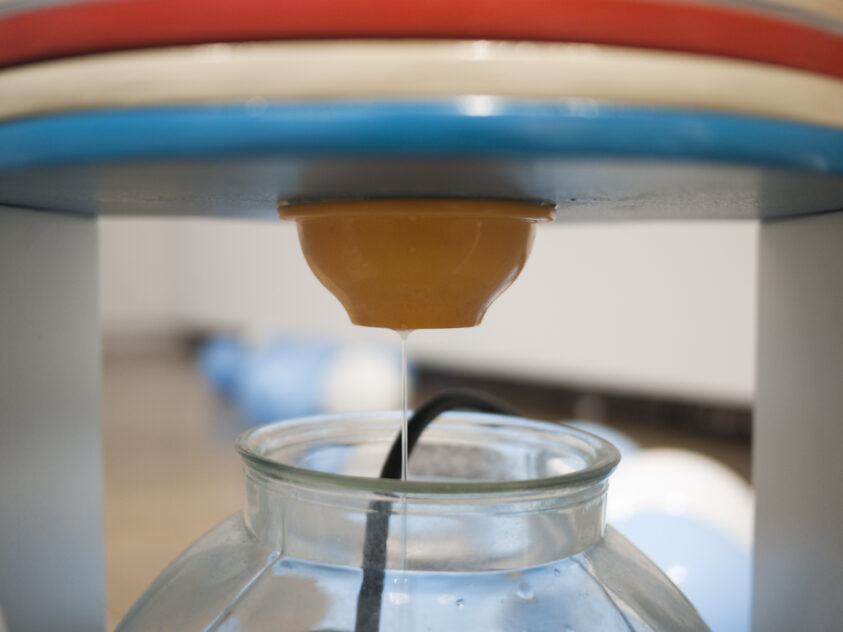
Purification Station, 2013 Plastic, Trinity River water, pecan & rose artesian charcoal, white marble chips, beach sand from Exotic Locations™, pump, and glass beverage dispenser 50″w x 61″h x 35″d
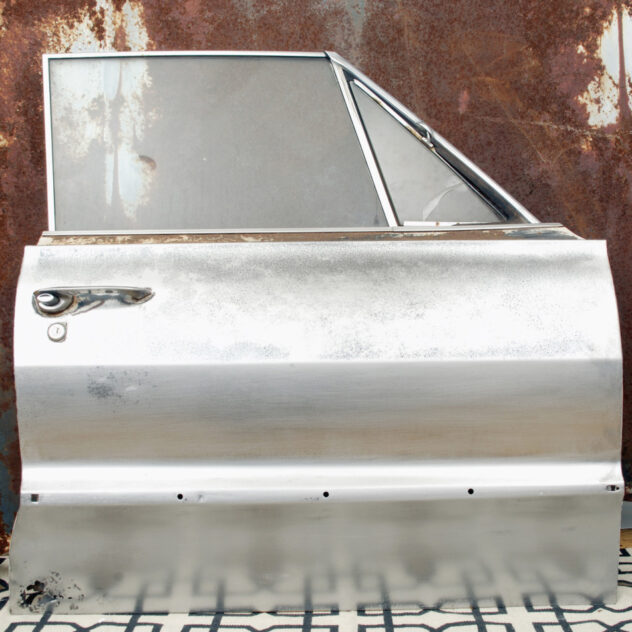
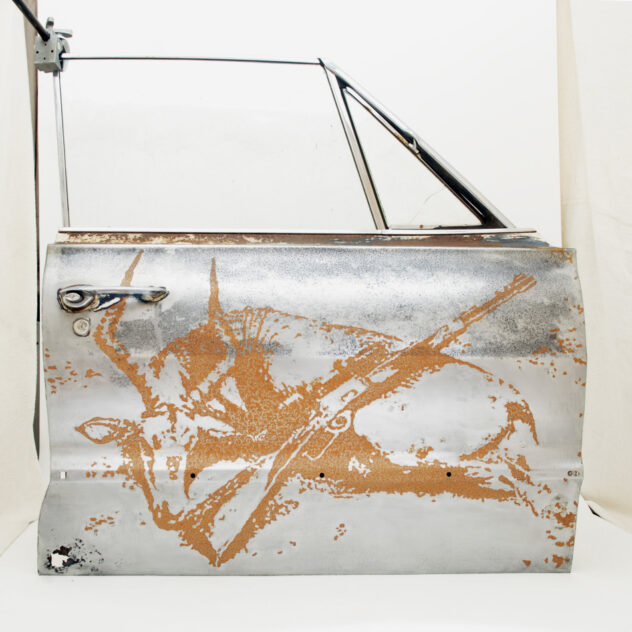
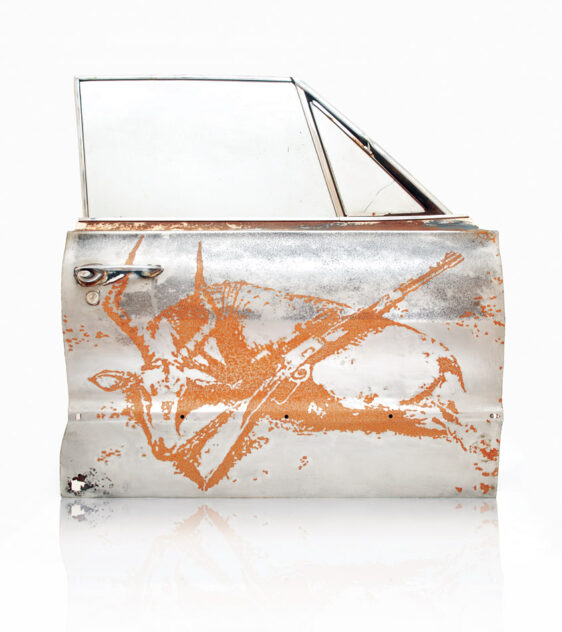
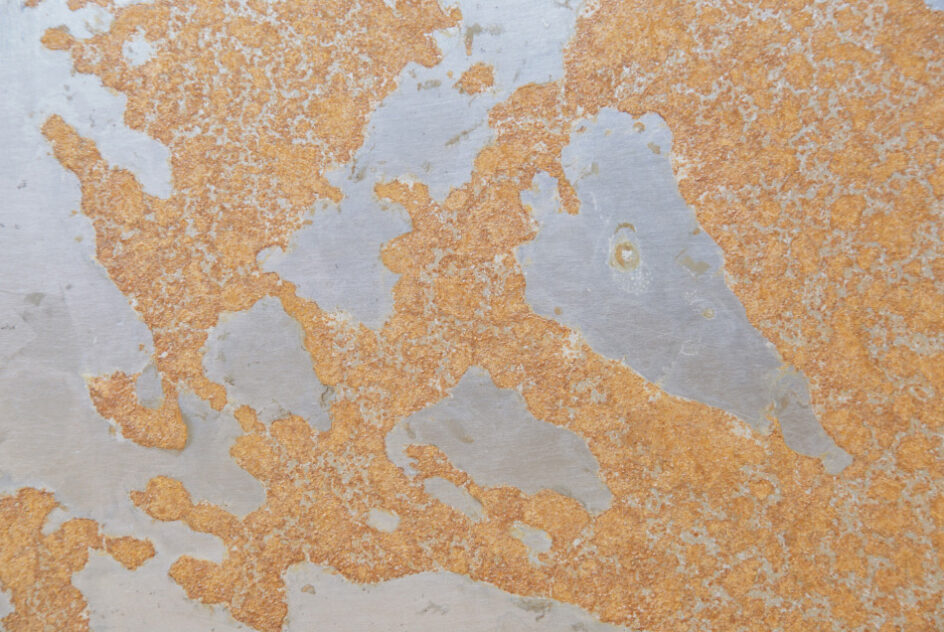
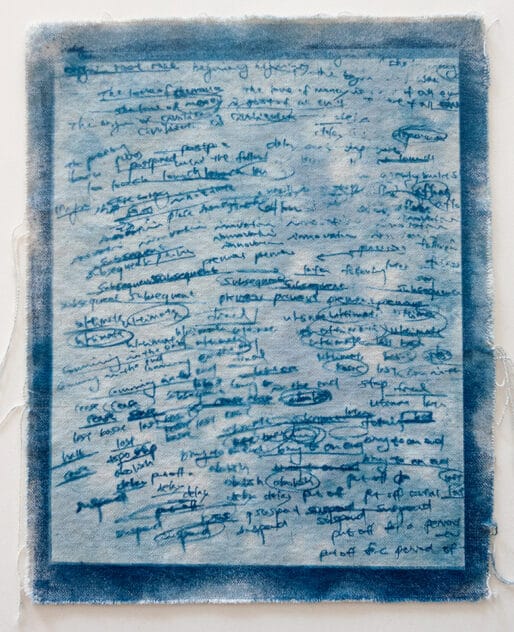
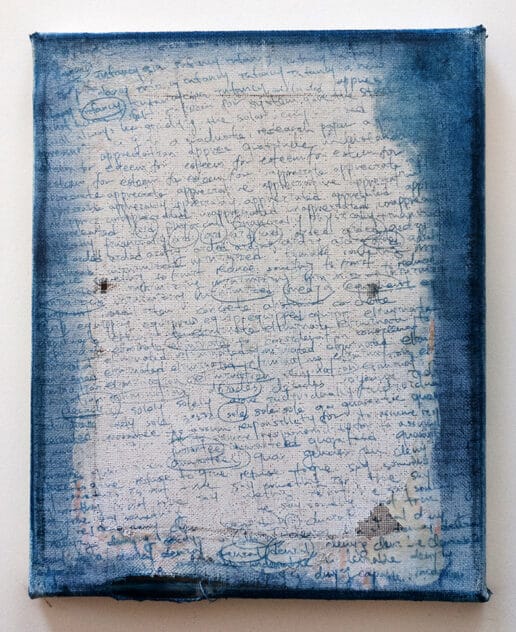
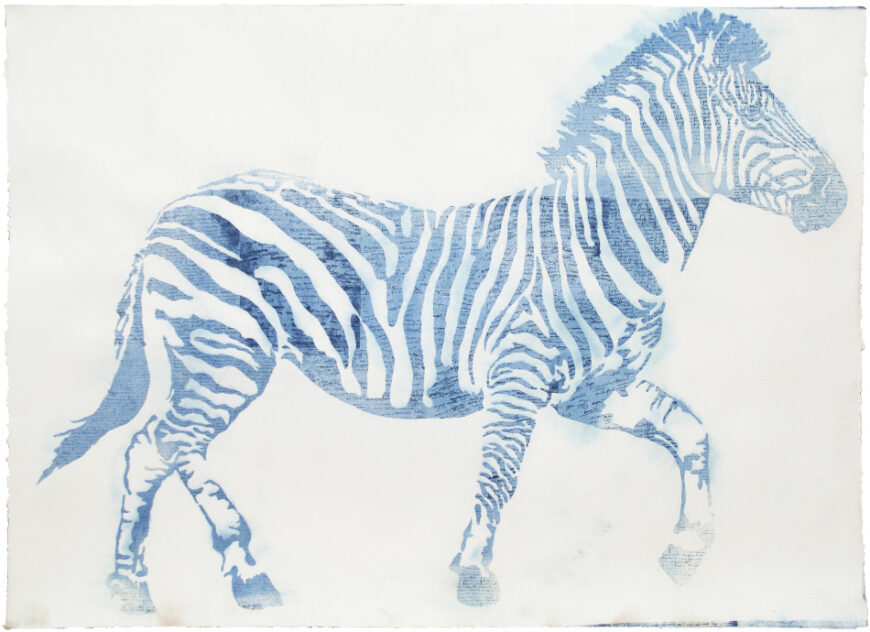
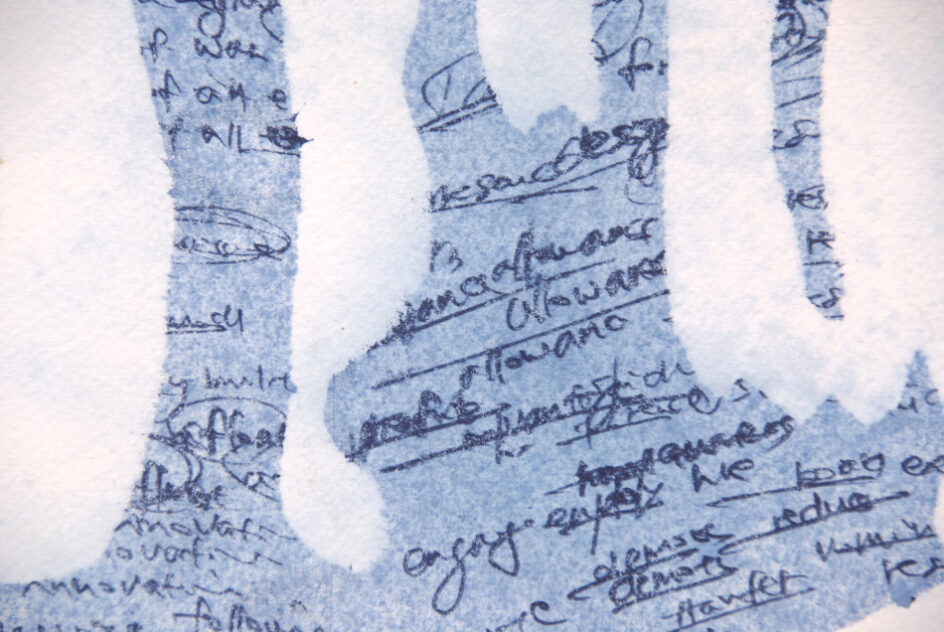
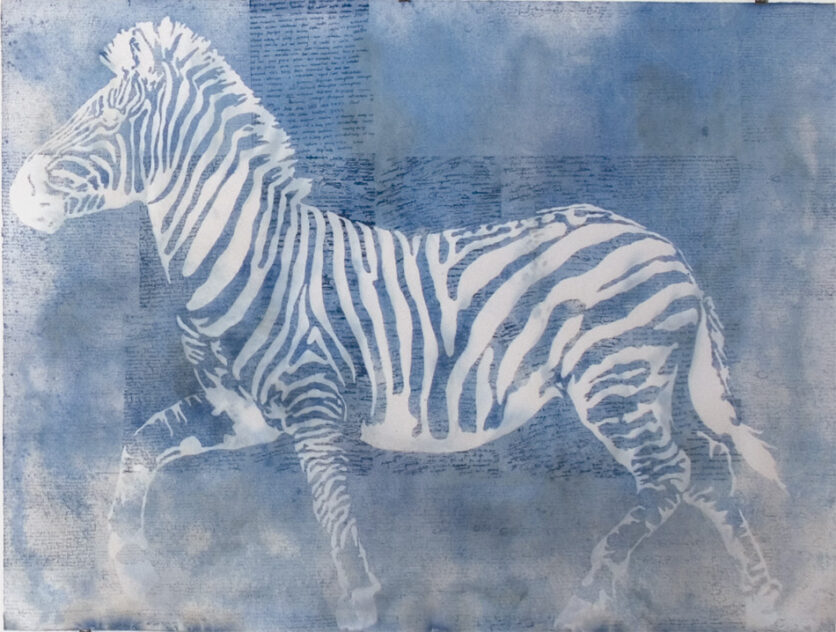
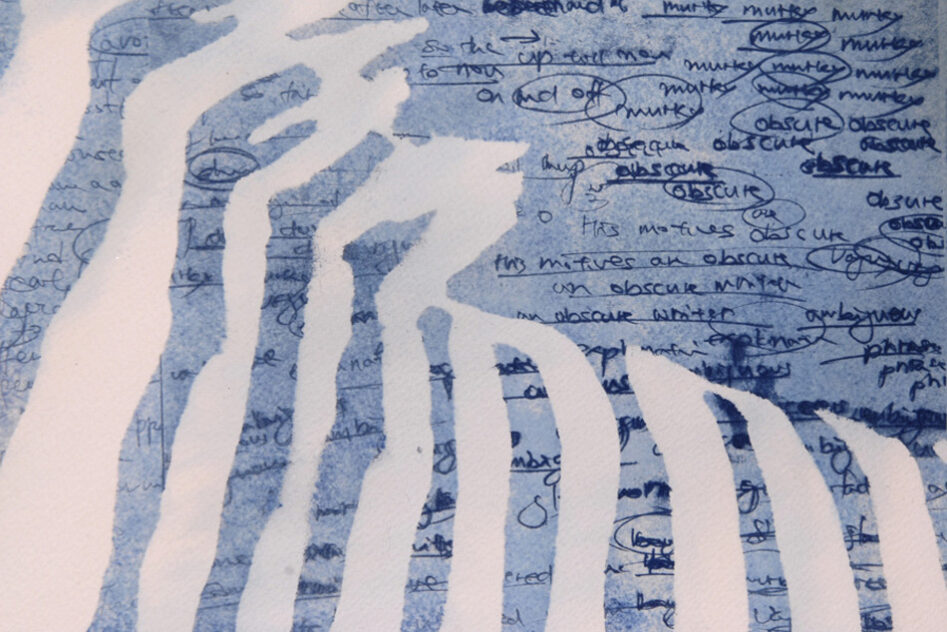
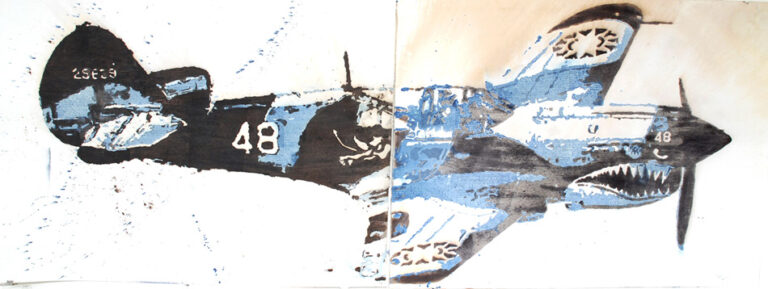
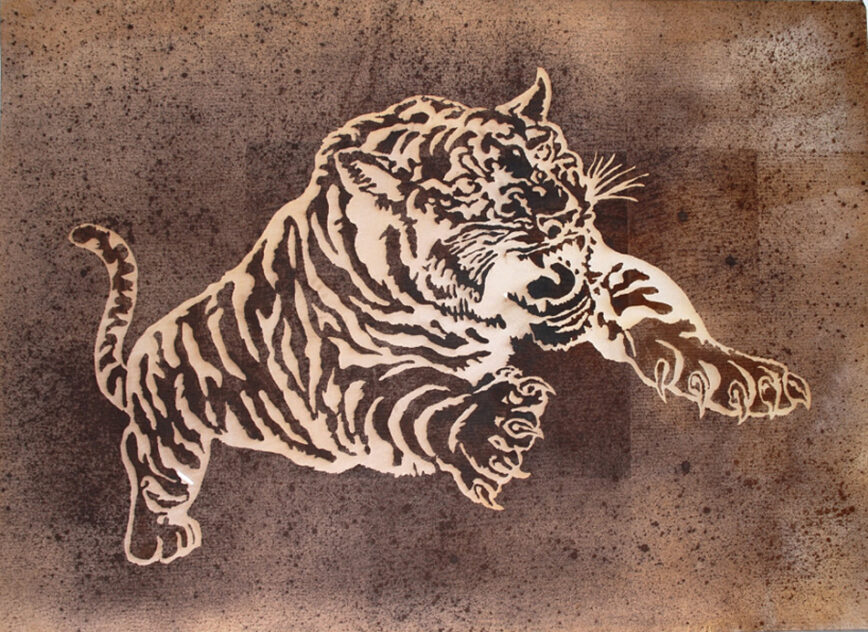
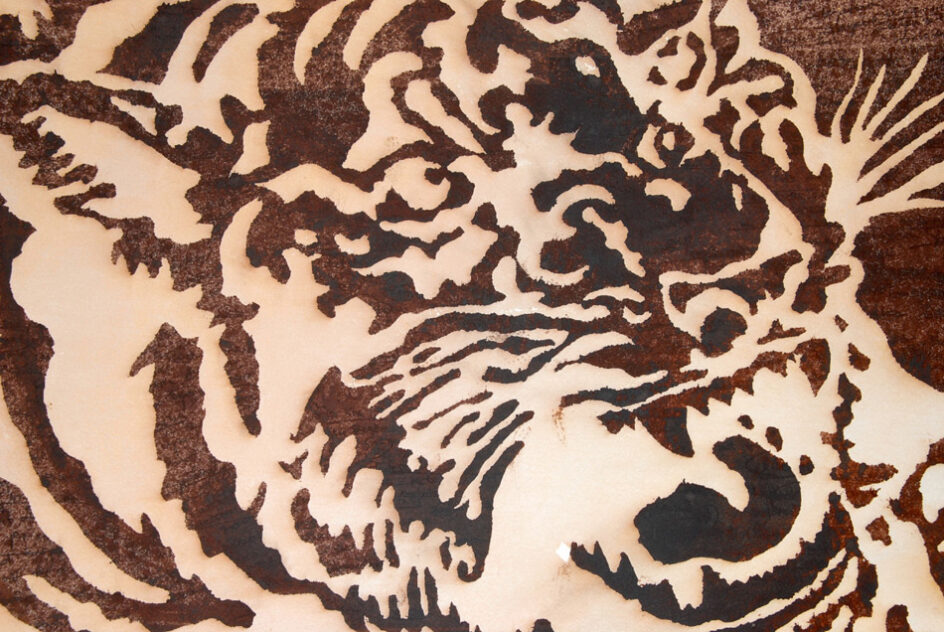
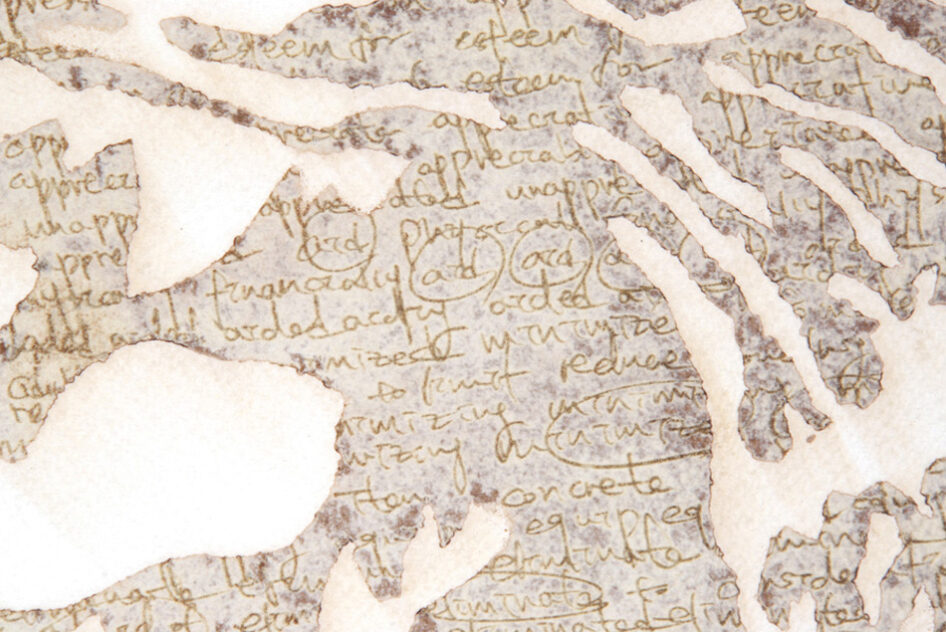
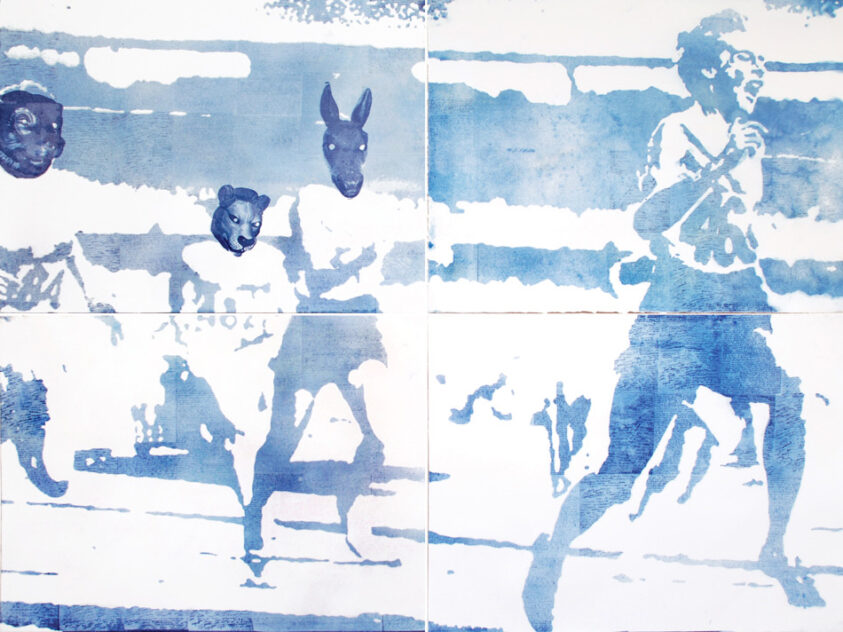
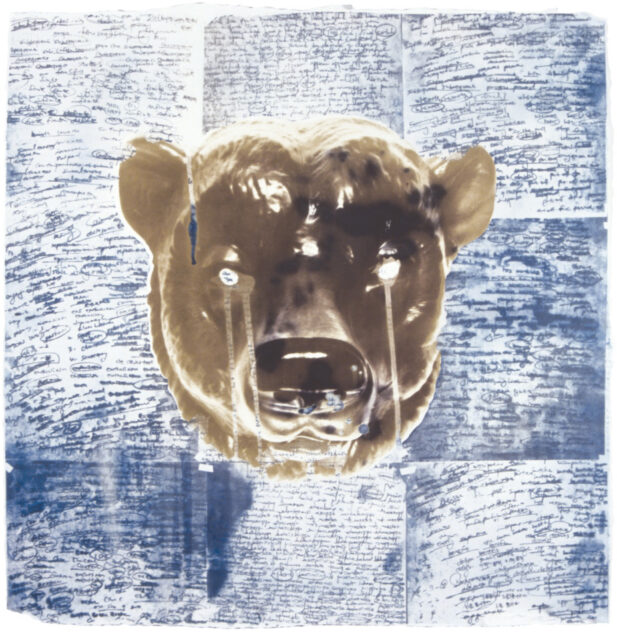
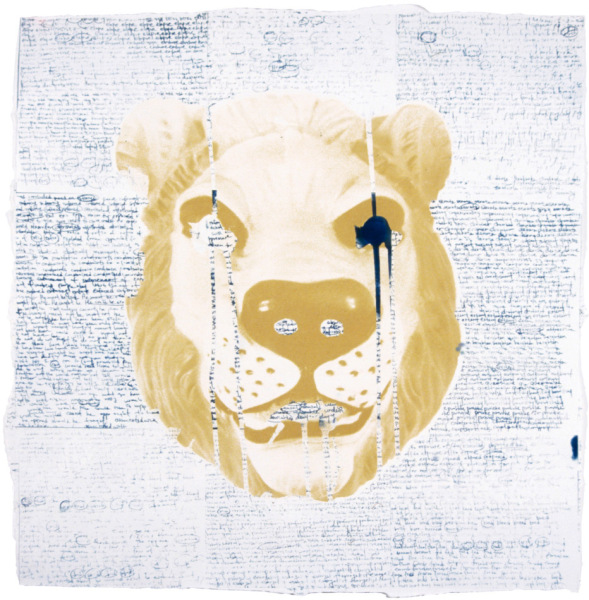
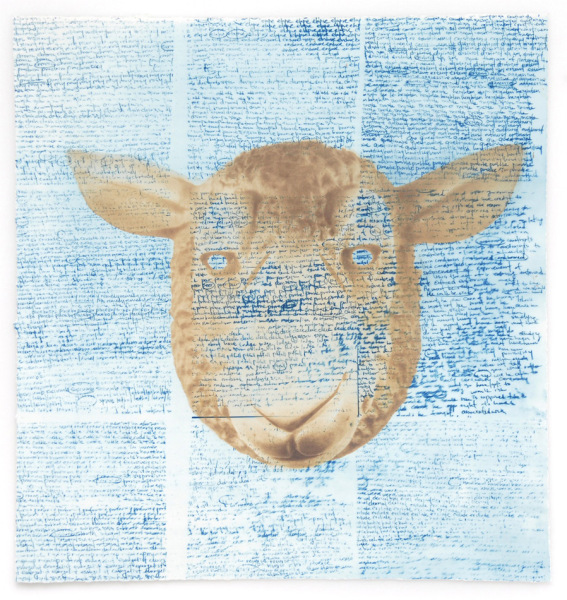
Beastly Words explores the fundamental flaw of language as an expression of our deepest selves, and the contradictions of language as image. Pained, repetitive words and phrases are subdued and channeled into new forms, given life as watery zebras, muscular tigers, an anthropomorphized WWII fighter plane, and breathless track runners.
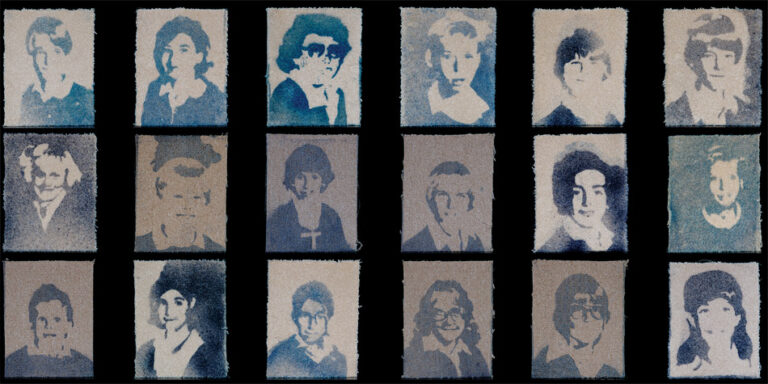
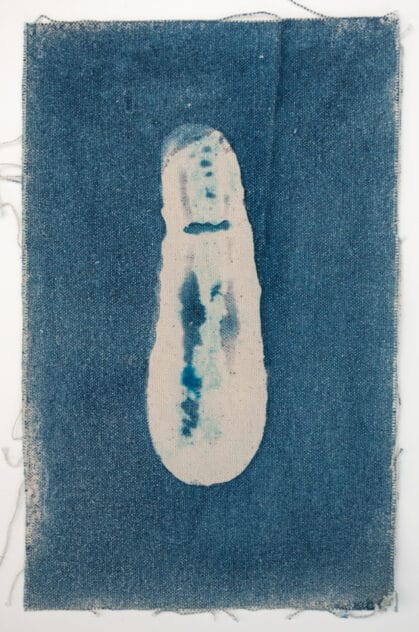
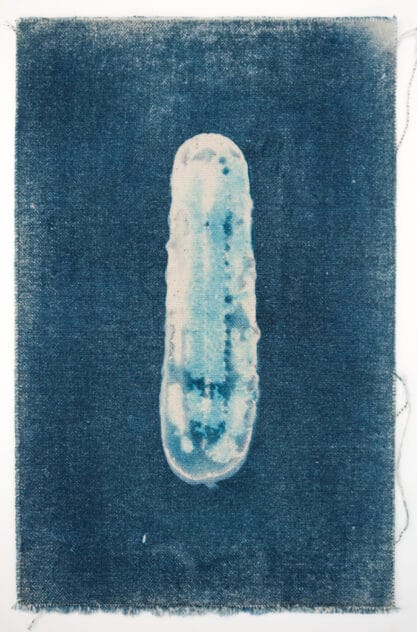
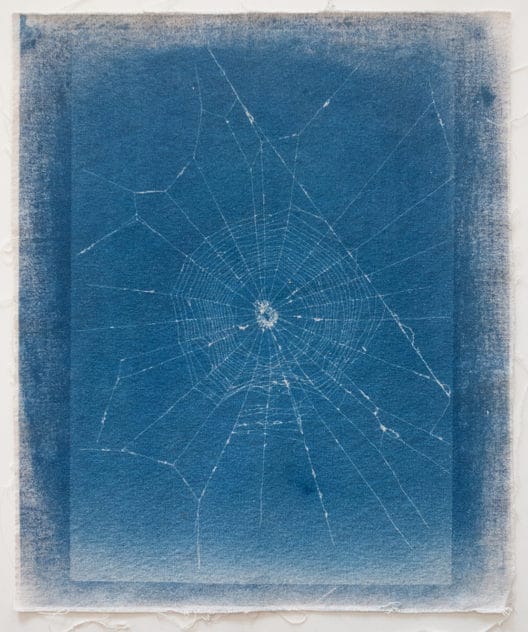
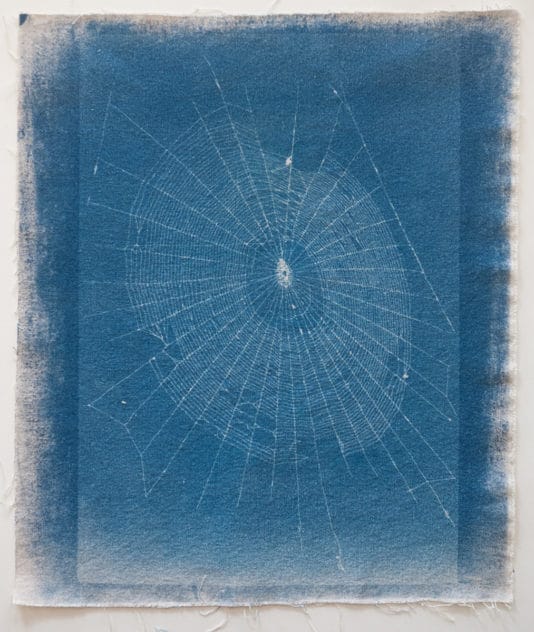
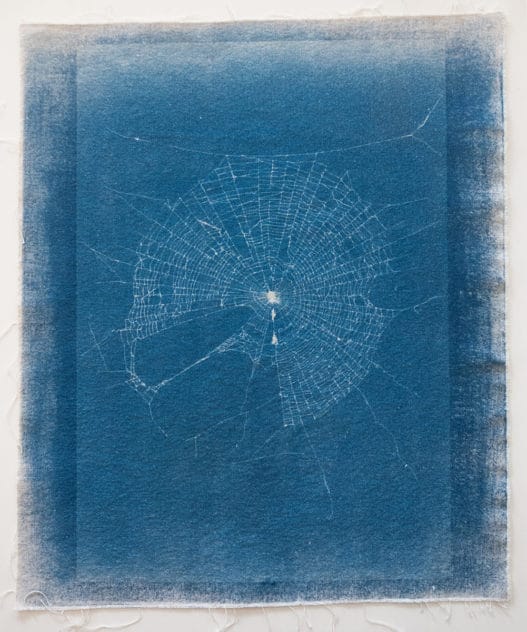
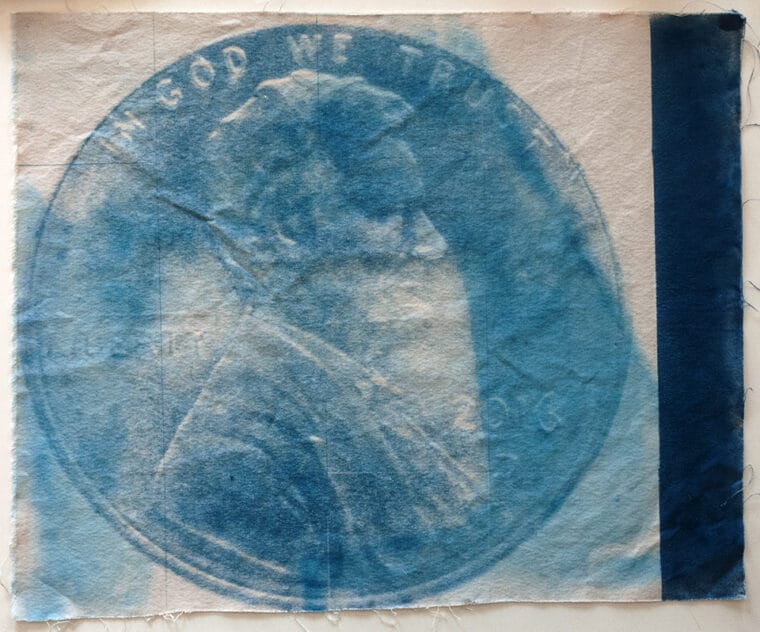
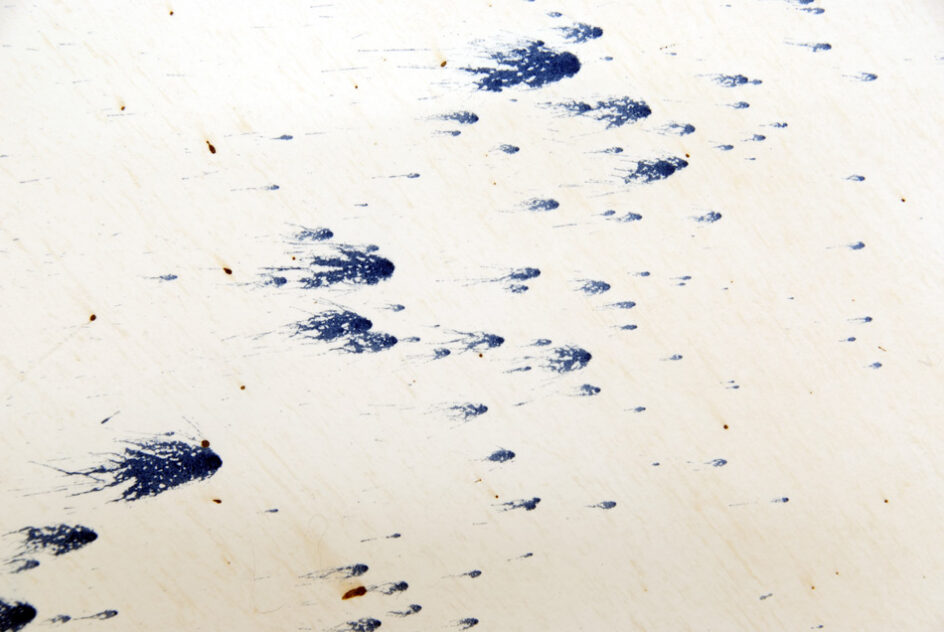
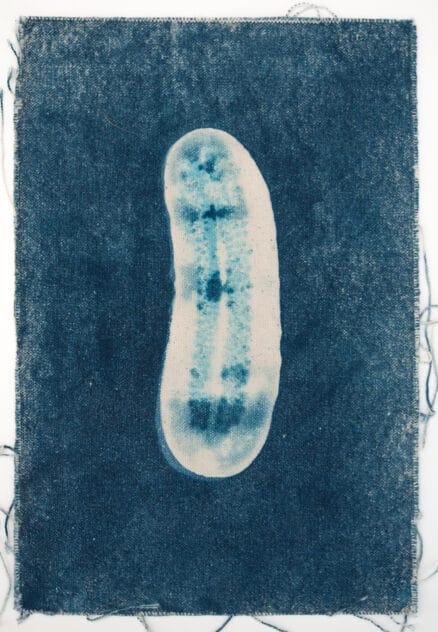
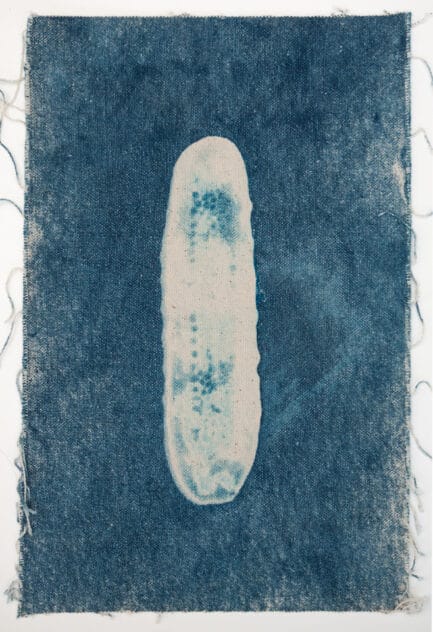
Brown first creates film negatives from mysterious scrawlings recovered from a university library trash can—the aching and robotic exercises of an unknown author. Brown’s subsequent use of older photographic techniques to recontextualize the images, through Cyanotype and Van Dyke processes, naturally limits his palette to a calming range of organic browns and blues, fading or deepening depending on exposure to light. He imposes a more natural and visceral world on the underlying fumbling language, as well as foiling the hyper-Photoshopped slickness of our mass-media world.
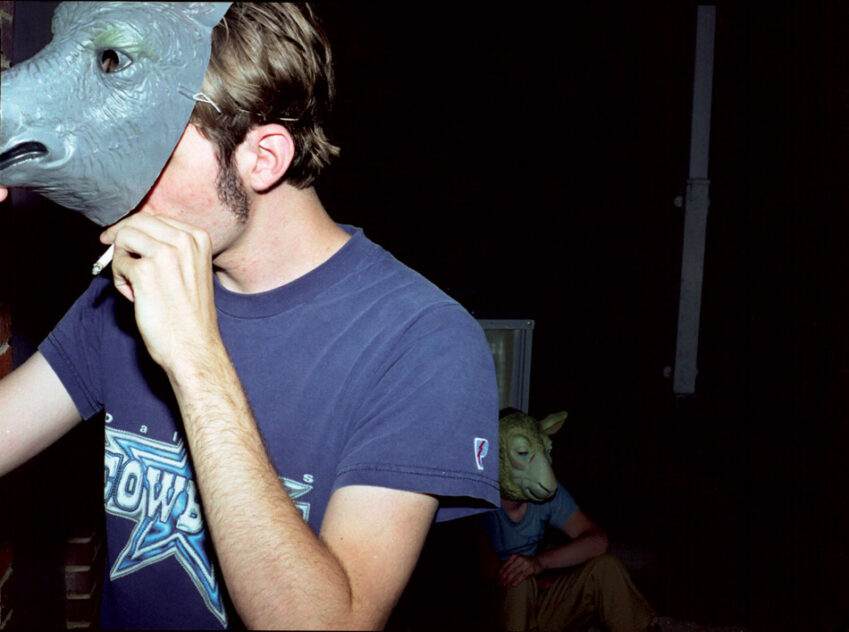
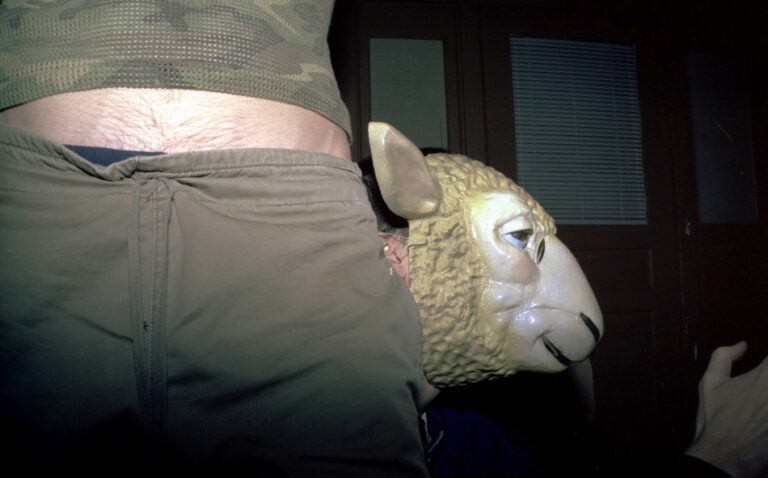
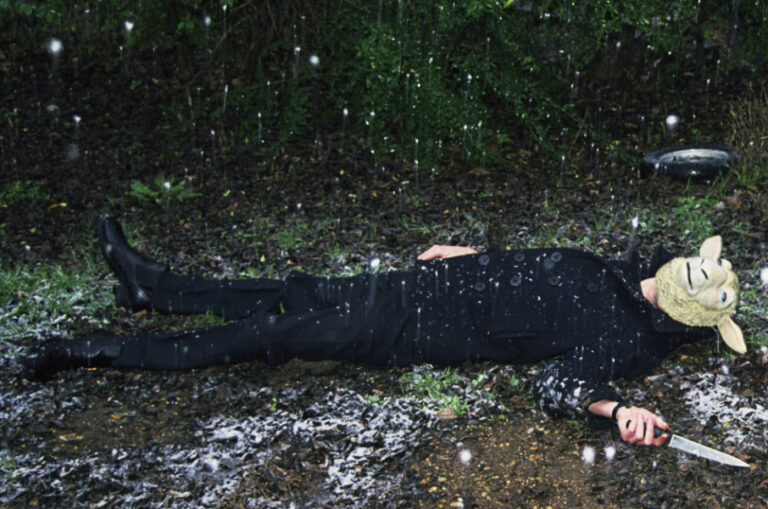
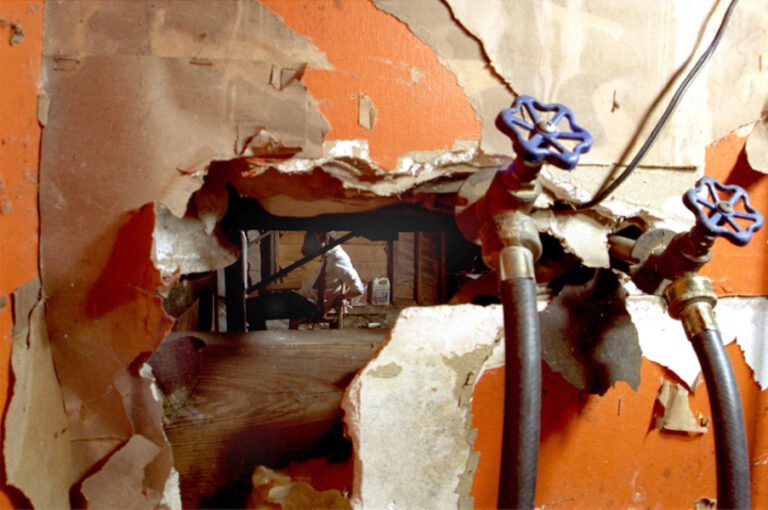
“Boys will be boys”— or so the saying goes. In Bradly Brown’s first exhibit at Road Agent, he offers theatrical photographs that toy with questions of how young men construct their identities as they gradually mature into adulthood. In several of Brown’s photographs the artist and his friends playact with plastic animal masks hiding their faces. An Arcadian narrative unfolds, juxtsposing homoerotic yearnings with a suggestive menance. The most striking photo of the show, however, extends beyond a beautifully rendered, but simply conceived drama. Dominated by rich orange hues, a fractured and deteriorating wall opens into a small room that houses a solitary schoolboy, hands tied to a chair. This luxuriously colored photograph and the threatening mystery it encapsulates is as viscerally enticing as it is emotionally unsettling.
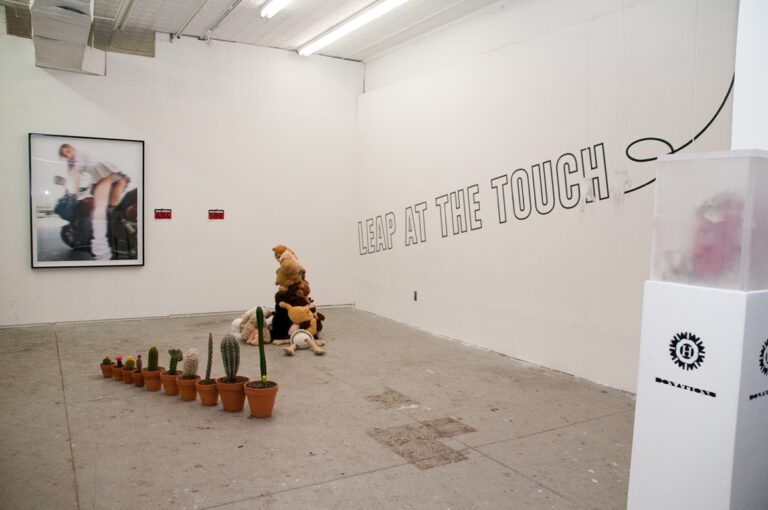
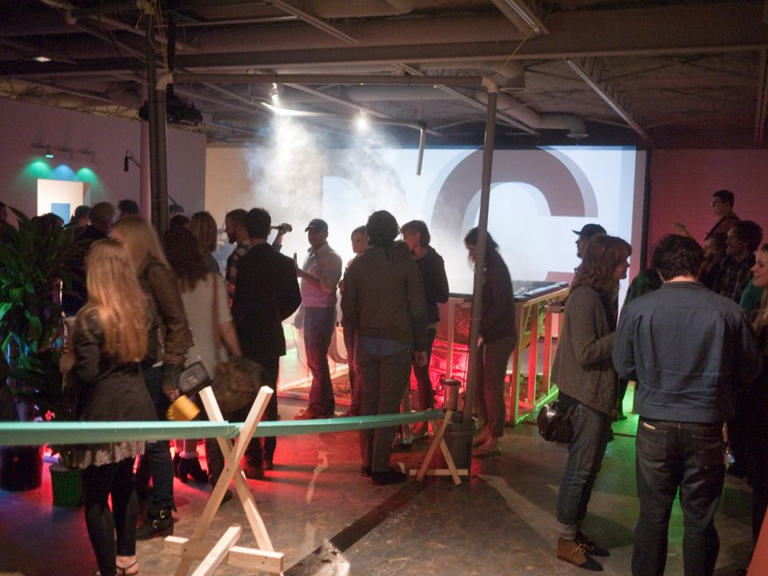
The Texas-based art collective HOMECOMING! Committee was founded to create initiatives and spaces where artists, designers, and creative thinkers could collaborate as equals, engaging in a shared practice of artistic agency. Through interactive and participatory events, HOMECOMING! fostered an environment that empowered artists to take action, build networks, and pursue future collaborations.This fortification of creative resources repositioned the artist as an individual that shapes cultural discourse, rather than a member of society that merely reacts to it.
1. Your hair should be trim, clean and combed. 2. Nails should be clean and trimmed. 3. Be conservative and err on the side of caution. If the company does not have a dress code, remember that its better to overdress than underdress. 4. Arrive at least 10 minutes before your interview. The extra minutes will also give time to fill out any forms or applications that might be required. 5. Turn off your cell phone or pager. 6. Don’t assume that whoever greets you is the receptionist.
Interview Etiquette During the Interview
1. Make a positive and professional first impression by being assertive and giving a firm handshake to each interviewer and addressing each interviewer by name. 2. Reinforce your professionalism and your ability to communicate effectively by speaking clearly and avoiding “uhs”, “you knows”, and slang. 3. Use appropriate wording. You won’t receive extra points for each word that has more than 10 letters. Use technical terms only when appropriate to the question.
Interview Etiquette After the Interview
1. Shake each interviewer’s hand and thank each interviewer by name. 2. Send a thank you note as soon after the interview as soon as possible.
Essential cookies enable basic functions and are necessary for the proper function of the website.
Name
Description
Duration
Cookie Preferences
This cookie is used to store the user's cookie consent preferences.
30 days
Statistics cookies collect information anonymously. This information helps us understand how visitors use our website.
GoDaddy's visitor traffic tracking, added automatically to sites hosted with GoDaddy and to sites built with GoDaddy Website Builder. It records page views, clicks, and page timing, and sends them to GoDaddy to measure traffic and site performance.
Holds the number of pages viewed in the current visit and the time of the last interaction, so GoDaddy's traffic tracking can tell when a visit has ended.
20 minutes
_tccl_visitor
Stores a randomly generated visitor ID so GoDaddy's traffic tracking recognizes a returning visitor across sessions.
1 year
_tccl_visit
Stores a randomly generated ID for the current visit so page views and clicks can be grouped into one session.
30 minutes
Google Analytics is a powerful tool that tracks and analyzes website traffic for informed marketing decisions.
Used by Google Analytics to determine which links on a page are being clicked
30 seconds
_ga_
ID used to identify users
2 years
_gid
ID used to identify users for 24 hours after last activity
24 hours
_gat
Used to monitor number of Google Analytics server requests when using Google Tag Manager
1 minute
__utmb
Used to distinguish new sessions and visits. This cookie is set when the GA.js javascript library is loaded and there is no existing __utmb cookie. The cookie is updated every time data is sent to the Google Analytics server.
30 minutes after last activity
__utmc
Used only with old Urchin versions of Google Analytics and not with GA.js. Was used to distinguish between new sessions and visits at the end of a session.
End of session (browser)
__utmz
Contains information about the traffic source or campaign that directed user to the website. The cookie is set when the GA.js javascript is loaded and updated when data is sent to the Google Anaytics server
6 months after last activity
__utmv
Contains custom information set by the web developer via the _setCustomVar method in Google Analytics. This cookie is updated every time new data is sent to the Google Analytics server.
2 years after last activity
__utmx
Used to determine whether a user is included in an A / B or Multivariate test.
18 months
_ga
ID used to identify users
2 years
_gac_
Contains information related to marketing campaigns of the user. These are shared with Google AdWords / Google Ads when the Google Ads and Google Analytics accounts are linked together.
90 days
__utma
ID used to identify users and sessions
2 years after last activity
__utmt
Used to monitor number of Google Analytics server requests
10 minutes
Vimeo is a video hosting platform for high-quality content, ideal for creators and businesses to showcase their work.
Used to detect if the visitor has accepted the marketing category in the cookie banner. This cookie is necessary for GDPR-compliance of the website.
179 days
LOGIN_INFO
This cookie is used to play YouTube videos embedded on the website.
2 years
VISITOR_PRIVACY_METADATA
Youtube visitor privacy metadata cookie
180 days
GPS
Registers a unique ID on mobile devices to enable tracking based on geographical GPS location.
1 day
VISITOR_INFO1_LIVE
Tries to estimate the users' bandwidth on pages with integrated YouTube videos. Also used for marketing
179 days
PREF
This cookie stores your preferences and other information, in particular preferred language, how many search results you wish to be shown on your page, and whether or not you wish to have Google’s SafeSearch filter turned on.
10 years from set/ update
YSC
Registers a unique ID to keep statistics of what videos from YouTube the user has seen.